CES 2026: Razer reveals ultra-low latency gaming controller

 By ForGeeks
With RAM prices rising and PCs and consoles becoming more expensive, more and more gamers are turning their attention to cloud gameplay. However, increased latency is still one of the major downsides of game streaming. At CES 2026, Razer unveiled the Wolverine V3 Bluetooth controller, which aims to solve this problem and make competitive gameplay in the cloud more comfortable.
Razer calls the new product «the world’s first ultra-low latency Bluetooth controller». The company claims a response of just 2ms —a figure that, if proven in real-world tests, could be a serious consideration for demanding gamers.
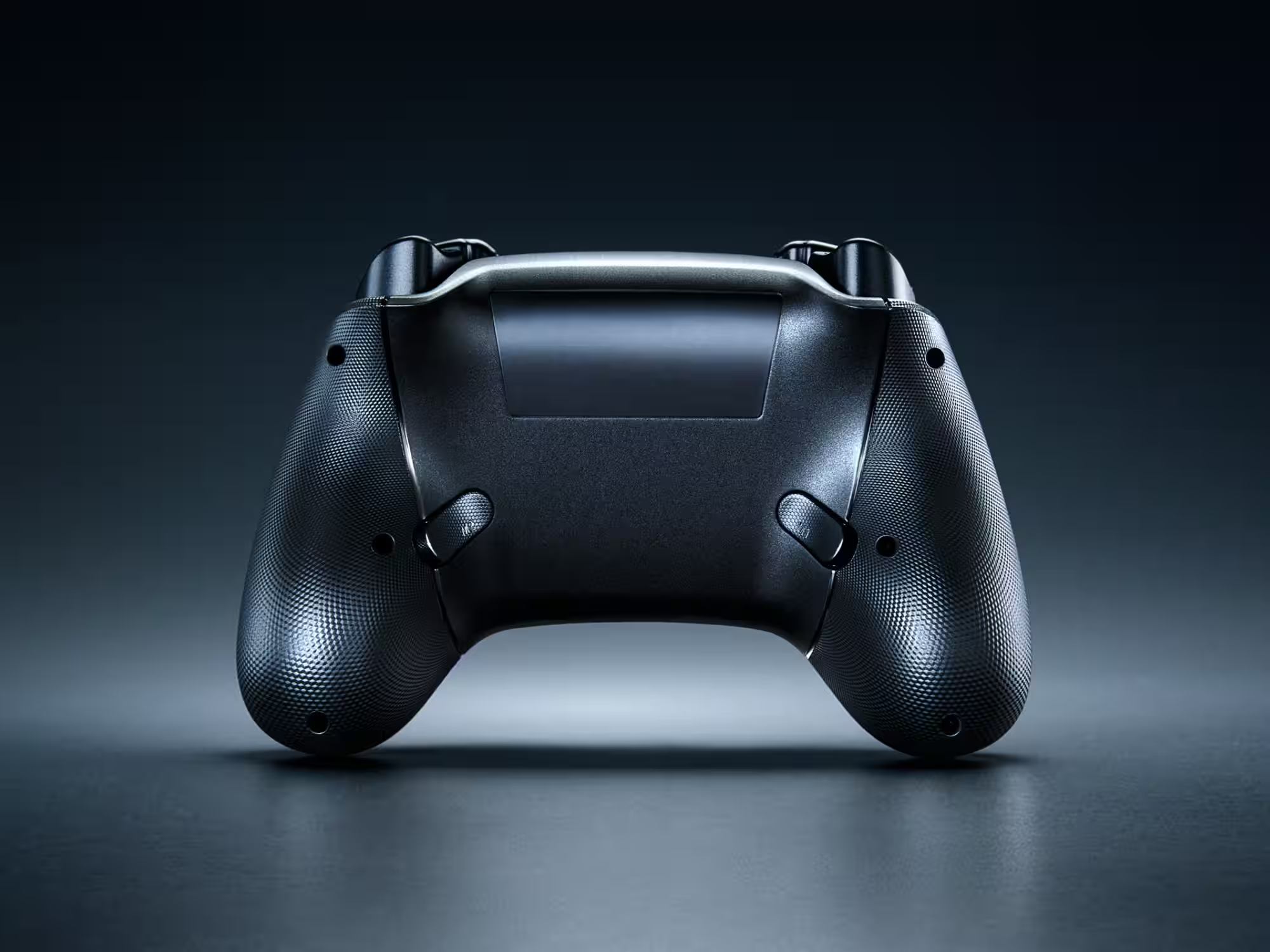
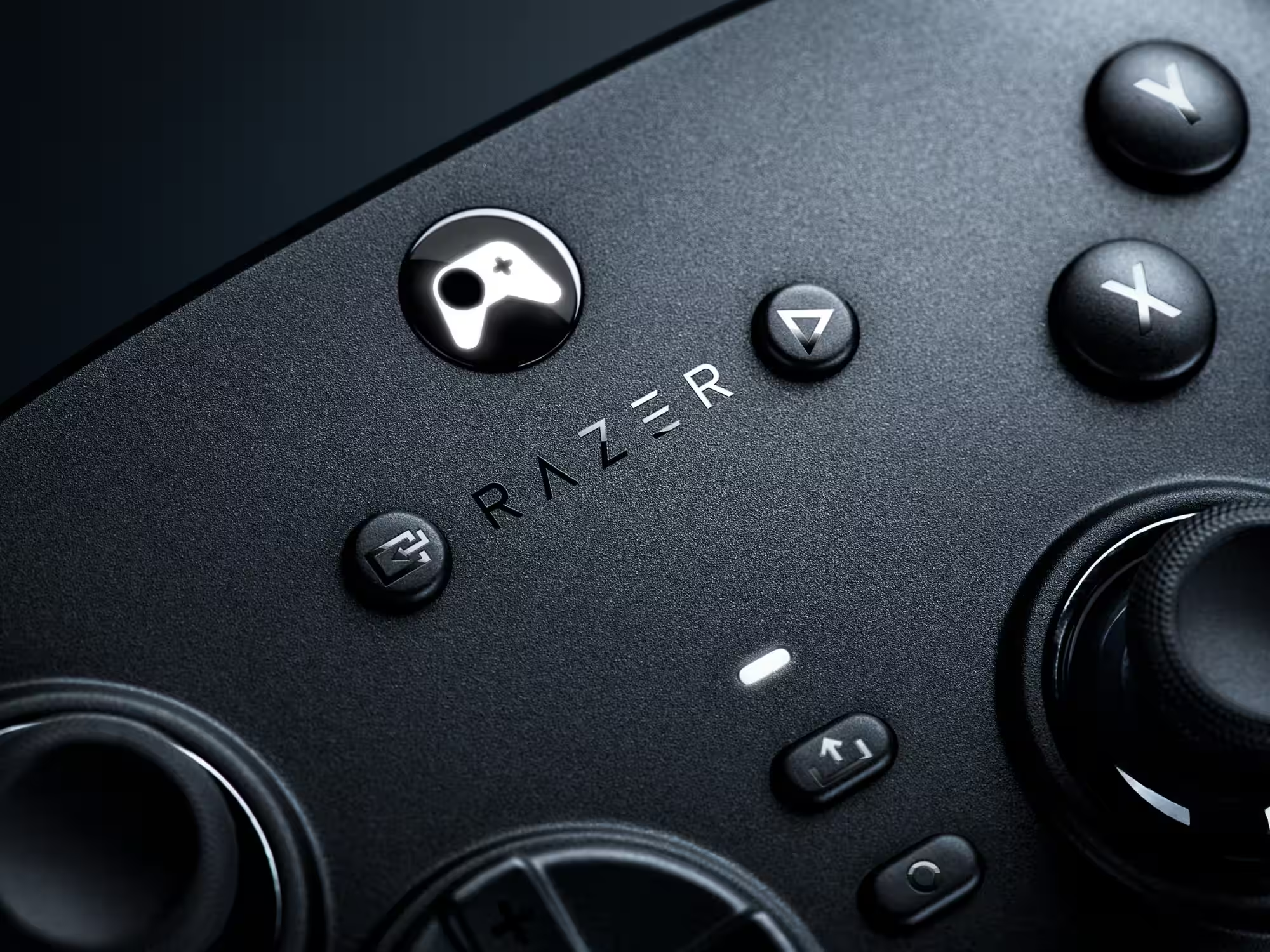
One of the key features of the Wolverine V3 Bluetooth are the analog sticks with TMR sensors, borrowed from the Wolverine V3 Pro 8K. Unlike Hall Effect, TMR technology provides even greater accuracy while consuming less power, which is especially important for wireless devices. It also reduces the risk of stick drift and increases controller durability.
For cloud gamers, the two rear buttons are inspired by the buttons on gaming mice. They provide a crisp, responsive feel that’s especially important for competitive gaming. Otherwise, the controller follows the classic Xbox-style layout, but it also features microphone and TV volume controls — a useful solution for gaming in the living room.
Additional controls for the microphone and TV volume — a useful solution for gaming in the living room.
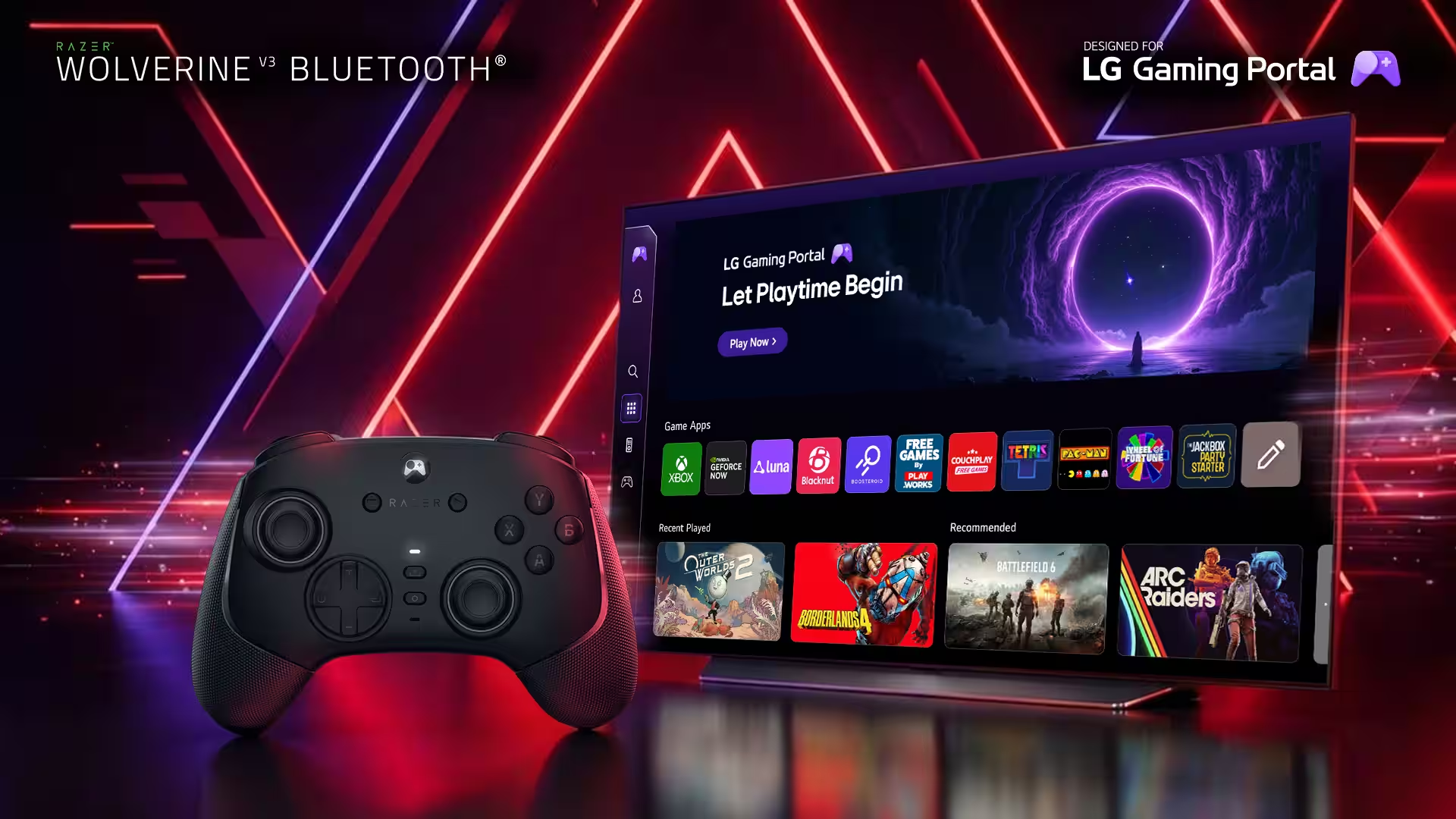
The controller is optimized to work with LG Gaming Portal — a platform that provides access to services such as Xbox Cloud Gaming and Nvidia GeForce Now. Meanwhile, Wolverine V3 Bluetooth supports connectivity to multiple Bluetooth devices, including portable gaming systems like the ROG Xbox Ally X.
The controller is optimized to work with the LG Gaming Portal — a platform that provides access to services like Xbox Cloud Gaming and Nididia GeForce Now.
While modern controllers from Xbox and PlayStation also support Bluetooth, Razer is banking on professional benefits — TMR sticks, minimal latency, and a single set of features no matter how you connect. It’s these features that should appeal to gamers who want maximum precision and responsiveness, even with cloud-based gameplay.