Pixel Tablet flopped, but I just can’t quit it
 By
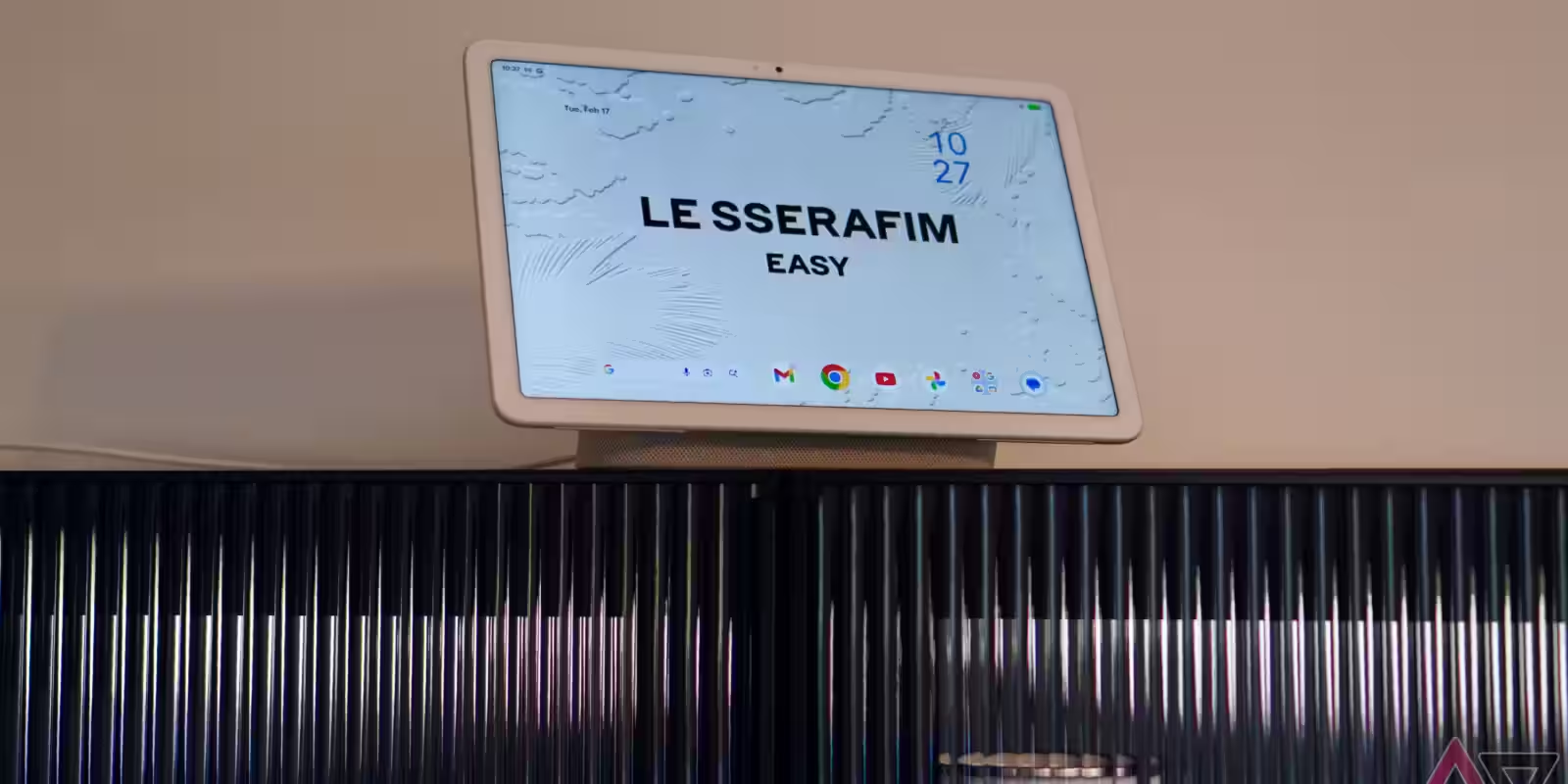
By The Pixel Tablet missed the mark on most fronts: a pricey launch, a mediocre Tensor G2 chip, a standard 60Hz IPS LCD screen, and a clunky Android tablet interface. Yet, three years later, it’s the device I keep coming back to-not because of raw power, but thanks to its dock and magnetic setup that turned it into the perfect kitchen companion.
Why the Pixel Tablet works so well in the kitchen
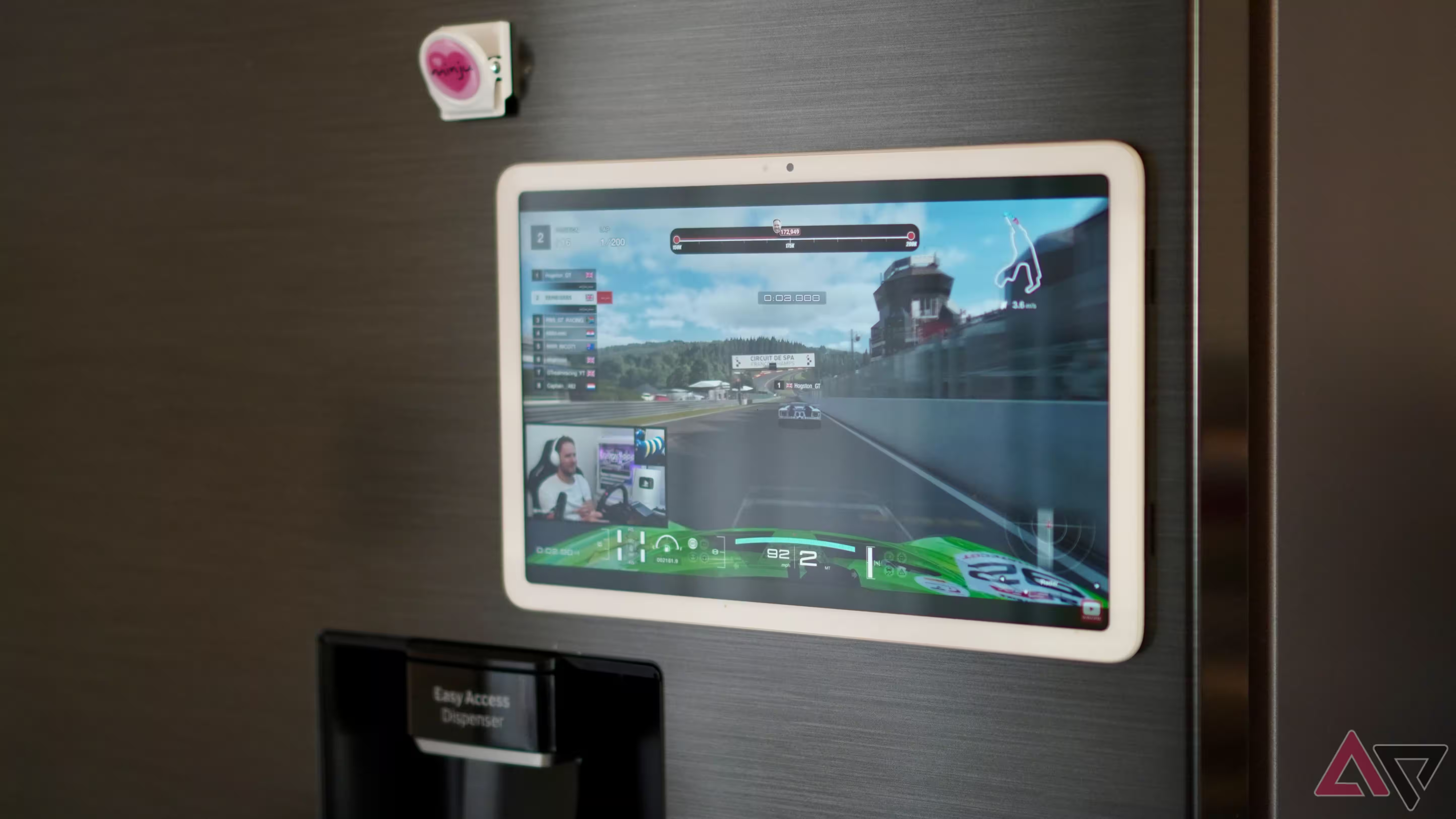
There’s beauty in its simplicity. The included dock not only keeps the tablet charged but transforms it into an always-on display, showing the time and listening for voice commands. When you take the tablet off the dock, powerful magnets let you snap it onto your fridge door or the side of a cabinet, holding it as securely as no third-party mount ever could.
For my daily kitchen routine, that means timers, recipe prompts, and streaming podcasts happen hands-free. With solid microphones, Gemini integration, and clear audio through the dock, I can control the tablet mostly by voice-manual interaction is rarely needed.
Specs rundown:
- SoC: Google Tensor G2
- Display: IPS LCD, 60Hz, 10.95″ (2560 × 1600)
- RAM: 8 GB
- Storage: 128 GB or 256 GB
Why the Pixel Tablet fell short of expectations
Pixel Tablet’s issues are no secret: the starting price of around $600 with the dock was steep for hardware powered by a Tensor G2, and Android’s tablet support was still lacking. Up against the iPad, it simply couldn’t compete in terms of performance or app ecosystem.
Google tried to course-correct on pricing – dropping the price to $500 before eventually removing the dock from the base package and selling the tablet alone for $400. That was an admission the initial “all-in-one” approach didn’t stick.
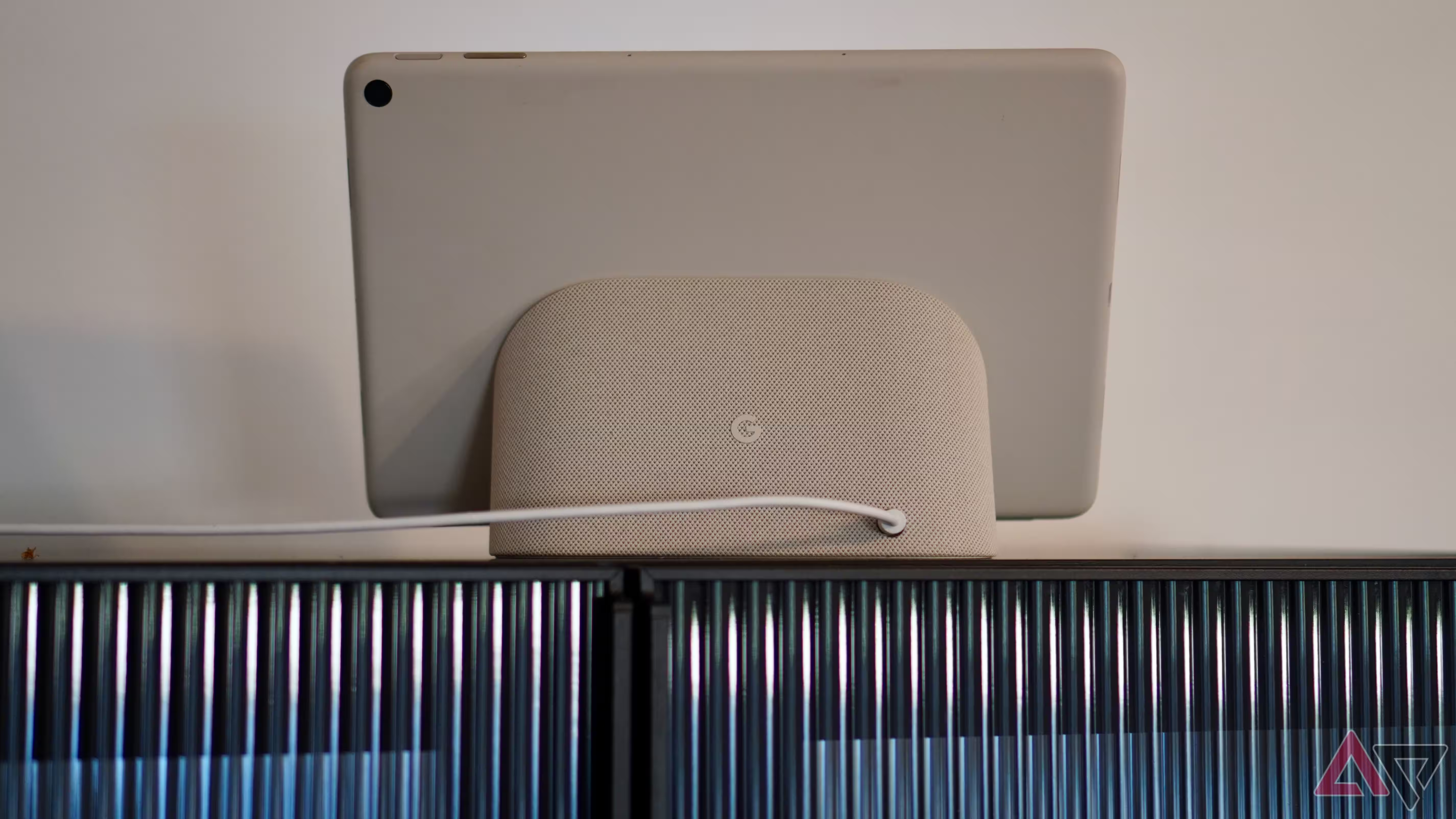
The hardware wasn’t the only problem. Lack of an official keyboard cover and poor Android optimization for large screens made it a weak choice for productivity. Competitors nailed this better-Samsung’s Tab S series and Apple’s iPad with Magic Keyboard showed how accessories combined with a solid ecosystem genuinely boost a tablet’s value.
What’s left of the dock-tablet idea
The key takeaway? The market isn’t just looking for the “most powerful tablet,” but for flexible devices that can double as personal screens and shared home displays. The Pixel Tablet flopped as a workhorse productivity tablet but succeeded as a hybrid home screen-its dock and magnetic mounting make it more convenient than static smart displays like Nest Hub Max or Echo Show.
Google also tried to extend the tablet’s life through software: updates will continue until mid-2028, which lowers the risk for anyone buying one in 2026. But without the dock’s return or a more polished software experience, the idea loses traction with a new audience.
In the years ahead, I expect two paths to emerge: brands will either keep docked tablets as a niche option targeting “smart home plus personal screen” setups, or they’ll push for more integrated, flexible docks backed by a richer ecosystem of apps and accessories. Success won’t hinge on magnets alone, but on who can best combine hardware, accessories, and software into a seamless package.
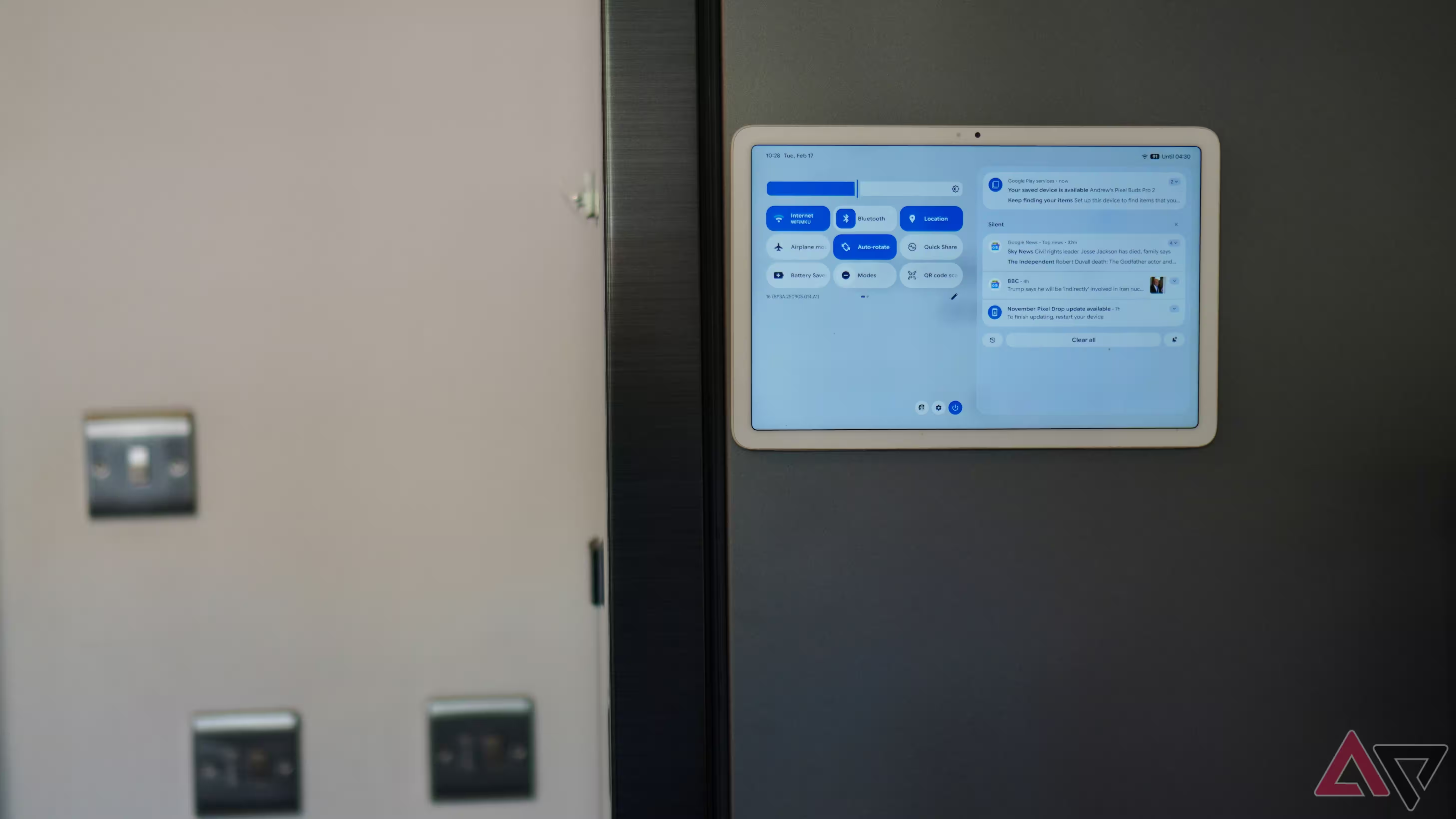
Can I recommend the Pixel Tablet today? If you want a versatile kitchen or home display and can find one bundled with its dock at a fair price, the answer is yes. But if you’re after a serious workhorse for productivity and gaming, you’re better off with an iPad or a flagship Android tablet.
The demand remains: can someone take the concept of a magnetic dock and turn it into a mainstream product? That’s an open question worth watching-not just for the hardware itself but for how companies learn to blend accessories and software into truly convenient home setups.