At a Turkish wedding, newlyweds received a quad-channel DDR5 kit and a GeForce RTX 5090
 By Sergey K
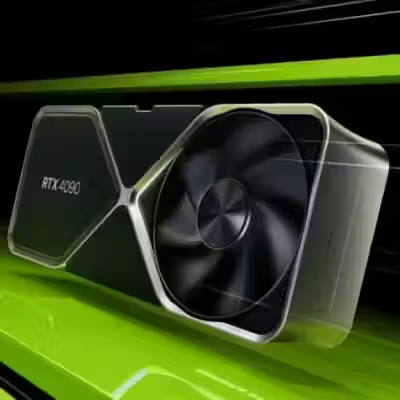
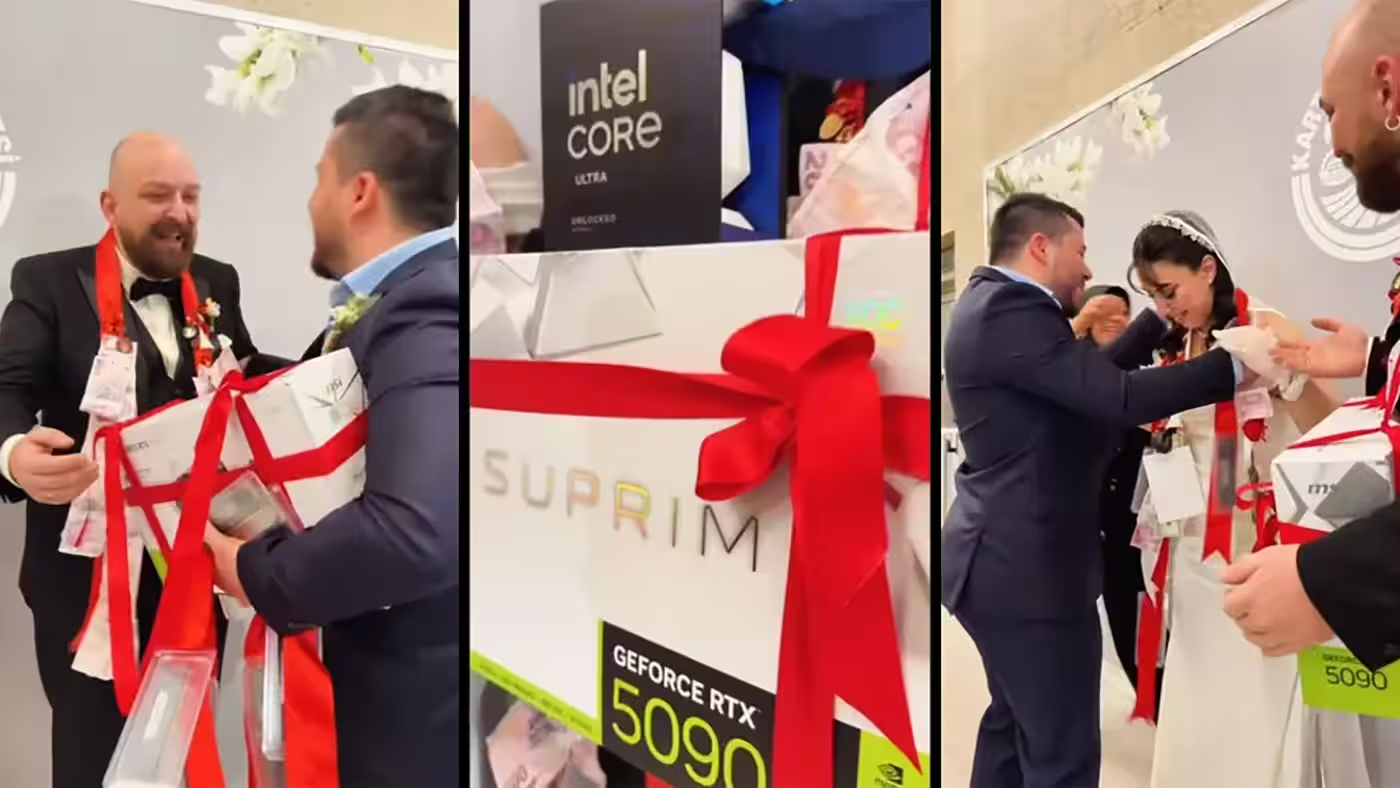
At a traditional Turkish wedding, guests surprised the newlyweds not with jewelry but with high-end PC components: the groom was gifted a white MSI Suprim GeForce RTX 5090 and an Intel Core Ultra processor, while the bride received a rare quad-channel DDR5 memory kit. These gifts reflect a broader trend-the ongoing shortage of RAM and surging demand for chips driven by the growth of AI infrastructure.
Why memory prices have skyrocketed
Industry reports show that by early 2026, the cost of DRAM and NAND memory by weight surpassed even the price of gold. Several factors are driving this dynamic: an explosive demand from data centers and AI startups, limited production capacity at leading manufacturers like Samsung, SK Hynix, and Micron, and ongoing supply chain disruptions caused by factory line reallocations.
This isn’t just buzz among tech enthusiasts. The memory price hike is reshaping buyer behavior: companies and consumers are postponing purchases, speculative activity is rising on secondary markets, and for manufacturers, periods of factory overload are turning into highly profitable quarters.
What was gifted to the newlyweds
The wedding gifts included:
- MSI Suprim GeForce RTX 5090 (white) – one of the priciest gifts in the room.
- Intel Core Ultra – a flagship desktop processor.
- Quad-channel DDR5 memory kit – a rare and expensive component due to supply constraints.
Such gifts signal two things: either the guests have a keen understanding of what’s truly valuable and scarce right now, or they’re making a status statement within their tech community. Either way, it’s a sign of the times-electronics have become more than just an expense, they’re now a form of social capital.
What to expect going forward
Unless data center demand slows or production capacity expands, memory shortages are here to stay-and so are unconventional gifts like these. Manufacturers are incentivized to focus on higher-margin segments, retailers are benefiting from the scarcity, while everyday buyers will face the tough choice between waiting it out or paying extra. The big question remains: will tech gear replace traditional symbols of wealth like gold and cash, or is this just a fleeting trend driven by a rare market moment?