Amazon officially kicks off work on new Stargate series
 By
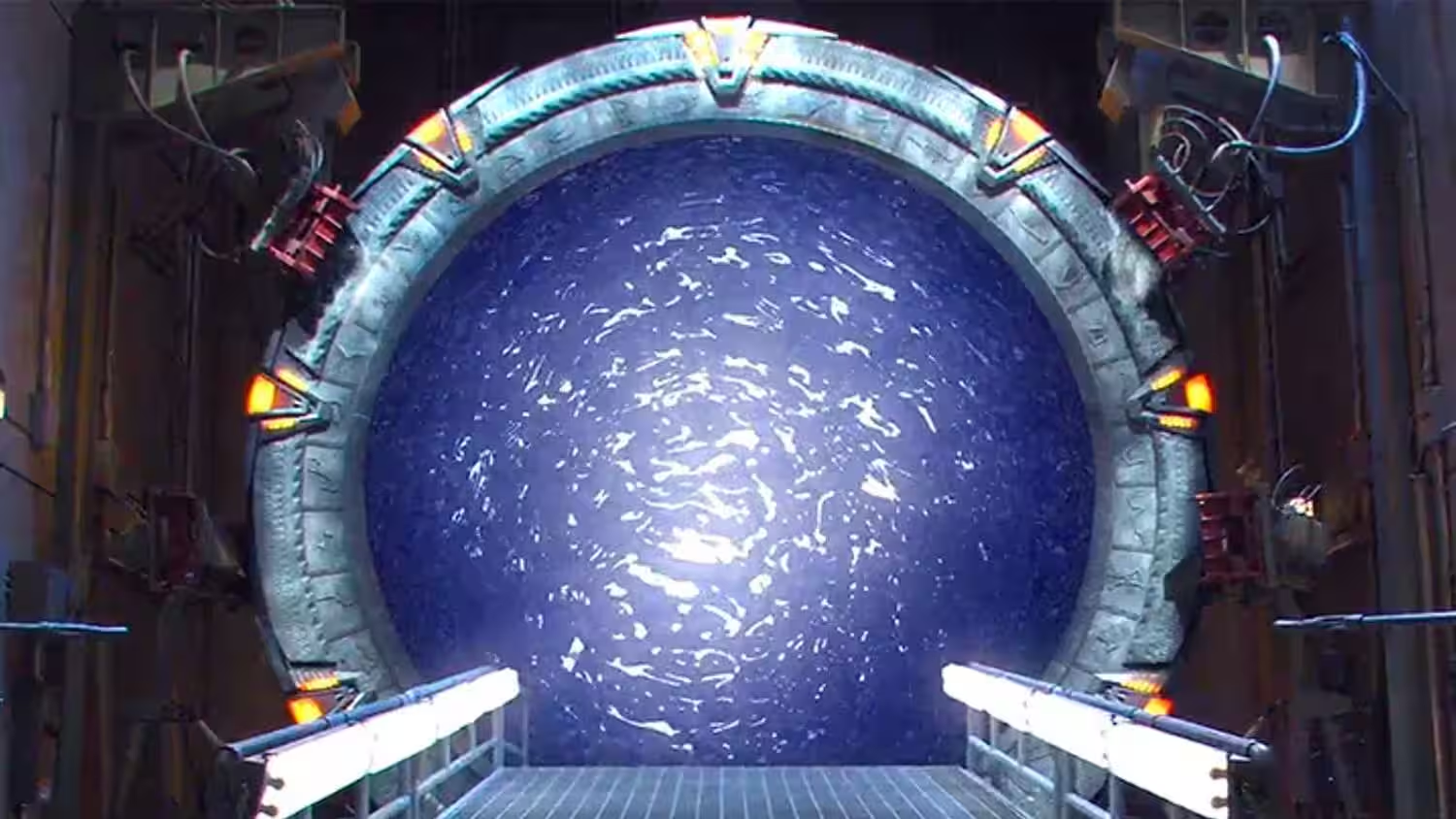
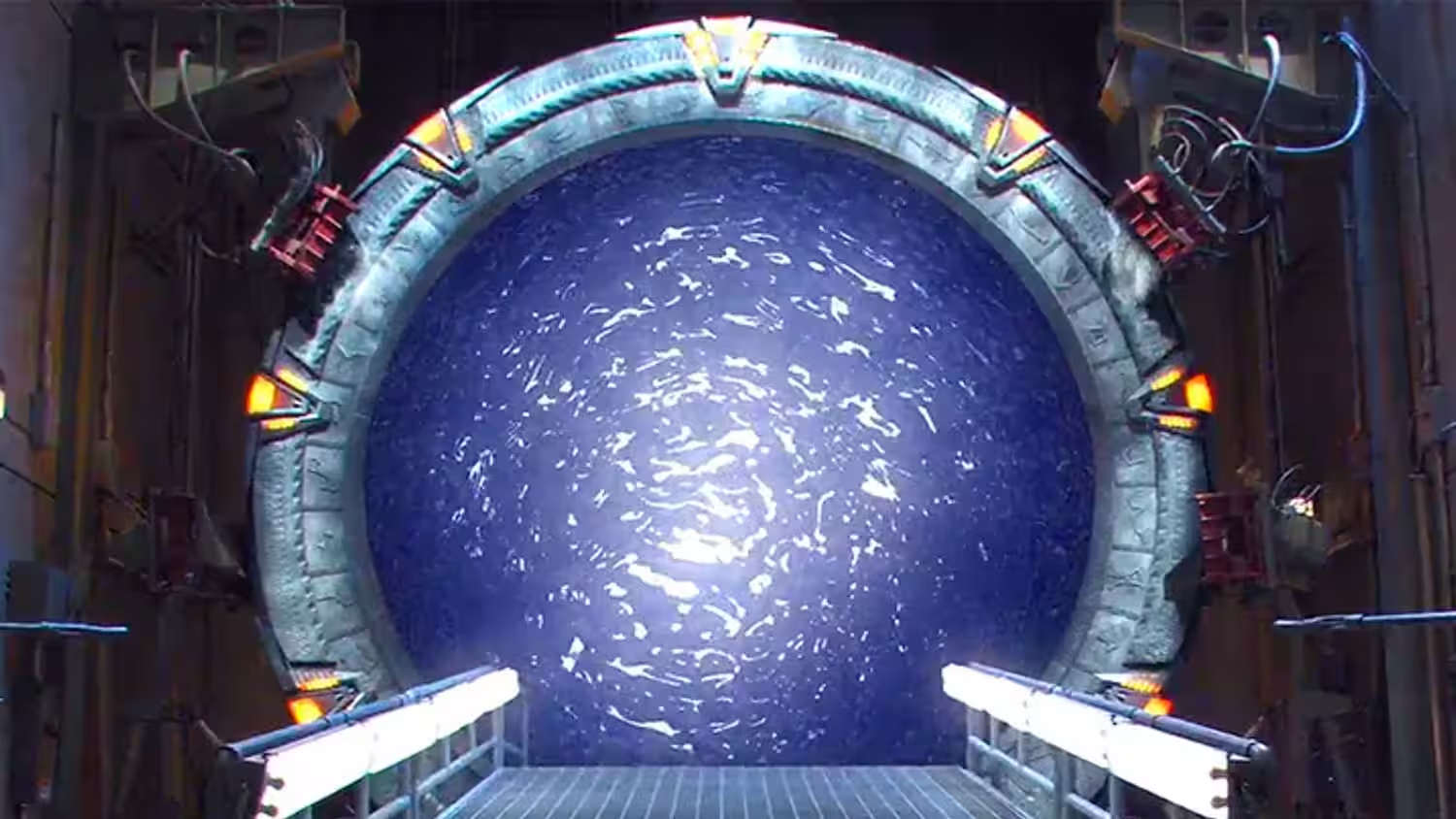
By Amazon is officially diving back into the Stargate universe. The project, headed by Martin Gero, has entered early development, with the writers’ room set to open in early 2026. Filming is scheduled to begin in London come fall 2026. While the new series aims to serve as a fresh entry point into the franchise, it won’t overwrite existing canon – but the production’s format and location hint at a more pragmatic rather than nostalgic reboot.
Why it matters: Amazon isn’t just reviving a cult sci-fi gem; it’s leveraging its recent MGM acquisition and extensive production infrastructure to rapidly fill Prime Video and Freevee’s pipeline with original content. For fans, it’s a chance to revisit unresolved storylines. For the streaming industry, it’s another test of how legacy IP holds up in an era dominated by expensive episodes and shorter seasons.
Release date and production plans for Stargate
The writers’ room will kick off at the start of 2026, followed by the official script development phase. Filming is slated for autumn 2026, likely starting in September. Martin Gero estimates the premiere won’t realistically happen before late 2027 and could slip into 2028 – “It’ll take roughly two years, give or take,” he said.
Production will be centered around the London area. Amazon MGM Studios already controls key facilities, including Shepperton and the recently acquired Bray Film Studios (bought in 2024). Still, filming will take place across multiple international locations – a familiar setup for major adventure series.
“To their credit, Amazon had already identified ‘Stargate’ as a prime candidate for a TV show… They’re just a very secretive company. They’re a tech company. So the fact that you didn’t hear anything isn’t about their [lack of] enthusiasm, it was about them internally trying to figure out what to get right.”
Martin Gero, creator and executive producer
Budget, tech, and format – what to expect
Financial realities are shaping the new Stargate’s format. Back in its heyday, Stargate episodes cost about $2 million each; today, top-tier sci-fi productions like some Star Trek series can reach $9 million per episode. Thanks to owning MGM, Amazon has access to prime studio spaces and UK tax incentives, helping keep costs manageable while investing in cutting-edge virtual production technologies like “the Volume” and LED stages.
Shorter seasons with tight, focused storytelling have become the norm. Gero is clear that the team aims for leaner seasons, which will affect both pacing and casting decisions.
What fans want and who this changes
The official stance is not to rewrite canon but to offer a new entry point: fresh characters, new threats, while respecting the legacy of SG-1, Atlantis, and Universe. The fanbase isn’t looking for a retro revival, but a continuation of unfinished arcs – like the fate of the Destiny crew. This is a double-edged sword: fans will embrace any return that feels authentic but are quick to reject hollow reboots that resurrect characters just for clicks.
“Martin has been developing this show for a while now… That something turned out to be his pilot script for the new Stargate series.”
Joseph Mallozzi, executive producer and franchise writer
Casting hasn’t begun yet. Gero insists the script must come first, then the actors. While this is a strong creative approach, it adds uncertainty for fans and the market alike – big-name stars can boost buzz and subscriptions, whereas their absence might lead to a quiet launch.
Winners and losers
- Amazon and MGM win with fresh content for Prime Video and Freevee, archive monetization, and subscriber growth.
- London studios and the UK industry benefit through jobs, tax revenue, and heavy utilization of locations newly acquired by Amazon.
- Stargate creators like Mallozzi and Brad Wright gain a platform to revisit and expand their ideas.
- Competitors and smaller projects face challenges as costly, recognizable franchises soak up attention and streaming budgets.
- Fans are at risk-if the show fails to balance nostalgia with modern storytelling, excitement could fizzle quickly.
What’s next – scripts and predictions
The likeliest outcome is a carefully crafted, high-production-value series that balances respect for canon with an effort to draw in new viewers. Economically, Amazon benefits from fewer but higher-quality episodes, leveraging virtual production and in-house studios. If successful, this could pave the way for more spinoffs and cross-content opportunities on Freevee and MGM+.
The big question remains: can the creative team preserve the soul of the original while adapting it for streaming’s commercial realities? We won’t know for sure until at least 2027 or 2028 – assuming development stays on track and Amazon doesn’t go back into stealth mode until the last minute.