Android Find Hub trackers skip UWB
 By Anna Brooks
Manufacturers of Android Find Hub trackers are overwhelmingly bypassing ultra-wideband (UWB) technology. The reasons are straightforward – it’s not cost-effective, the ecosystem is too fragmented, and for most buyers, it simply doesn’t add enough value. While Apple has turned Precision Finding into a standout feature of AirTag, the Android tracker market is focusing on louder speakers and brighter LEDs instead of adding expensive radio hardware that only works with a limited set of phones.
Why Android trackers don’t support UWB
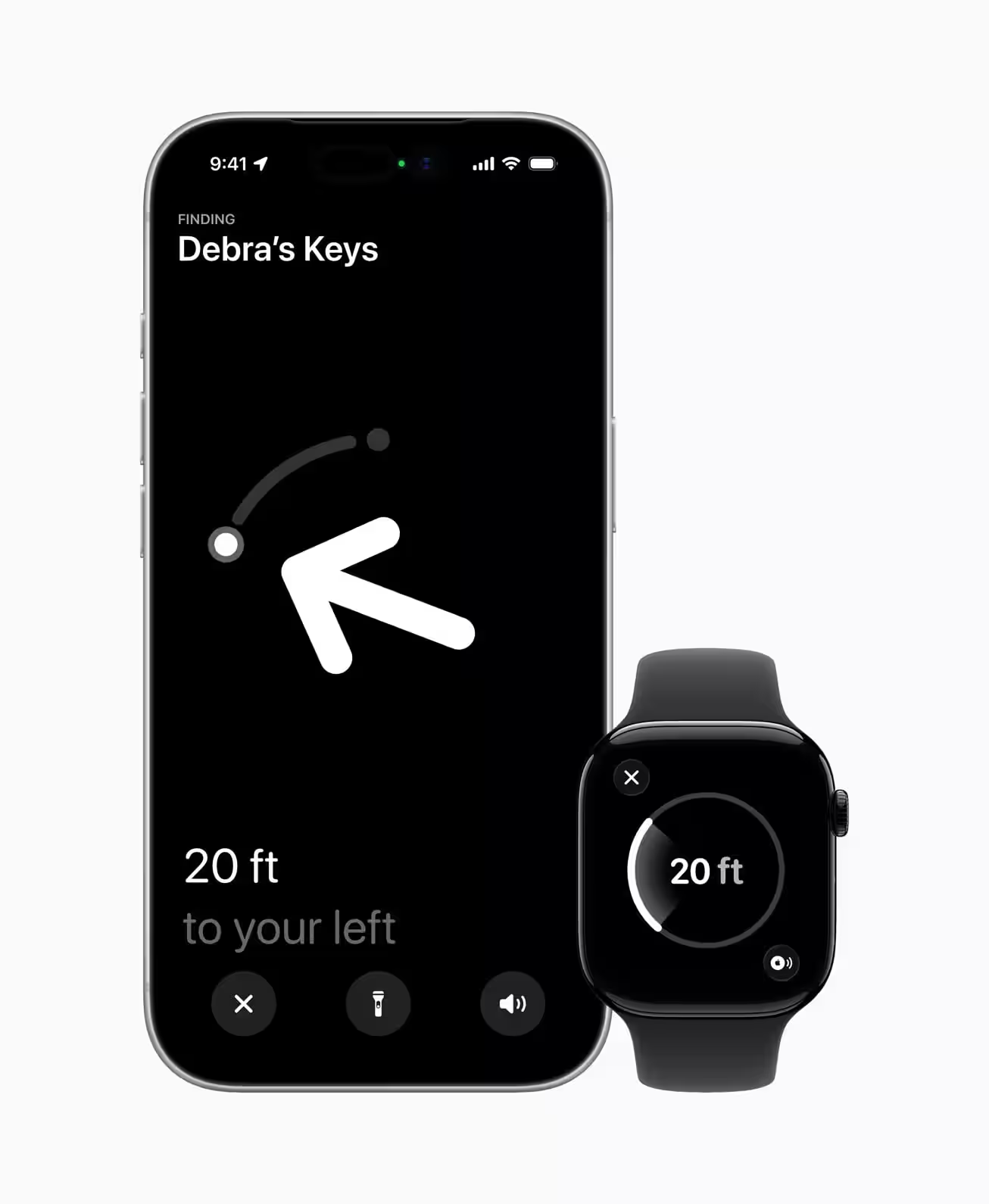
UWB genuinely offers precise navigation: a smartphone can calculate both distance and direction to a tag, instead of just detecting “somewhere nearby.” But for most use cases – luggage, handbags, backpacks – Bluetooth already gets you close enough, and the tracker’s sound and lights bridge the final gap. Manufacturers face a dilemma: spend extra on a UWB chip, sacrifice design space, and hike the price for a feature only accessible to owners of a small slice of flagship phones that support UWB.
The puzzle gets even messier on Android due to fragmentation and restrictions. Many popular Android phones don’t have UWB at all, while some manufacturers reserve UWB for their top-tier models only. Samsung, for instance, has historically limited access to its UWB stack, keeping some features exclusive to its own accessories. In practice, this means a tracker maker must support UWB for only a small segment of one platform’s users – and simultaneously sacrifice compatibility with others.
How Apple and the market set the rules
Apple launched UWB as a flagship feature of the AirTag from day one – and it hasn’t rushed to open the technology to third-party trackers. Companies like Tile have tried to challenge this legally, but practically, the status quo remains: to work within the Find My network across both platforms, manufacturers stick to Bluetooth. Apple benefits by licensing UWB exclusively for AirTag, making cross-platform UWB integration economically unviable.
Here’s the current landscape in practice:
- AirTag: UWB + tight iPhone integration, priced at $29.99.
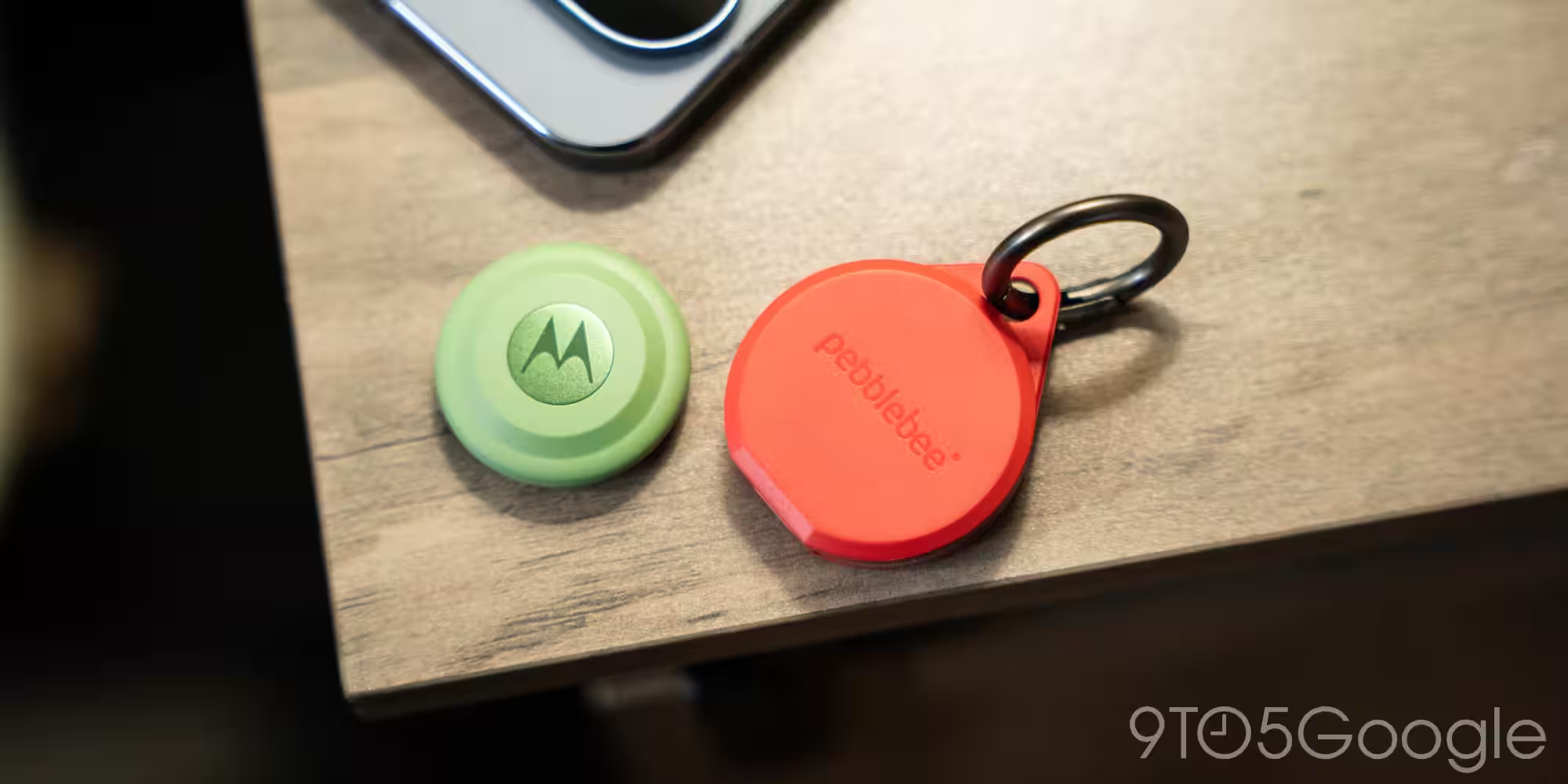
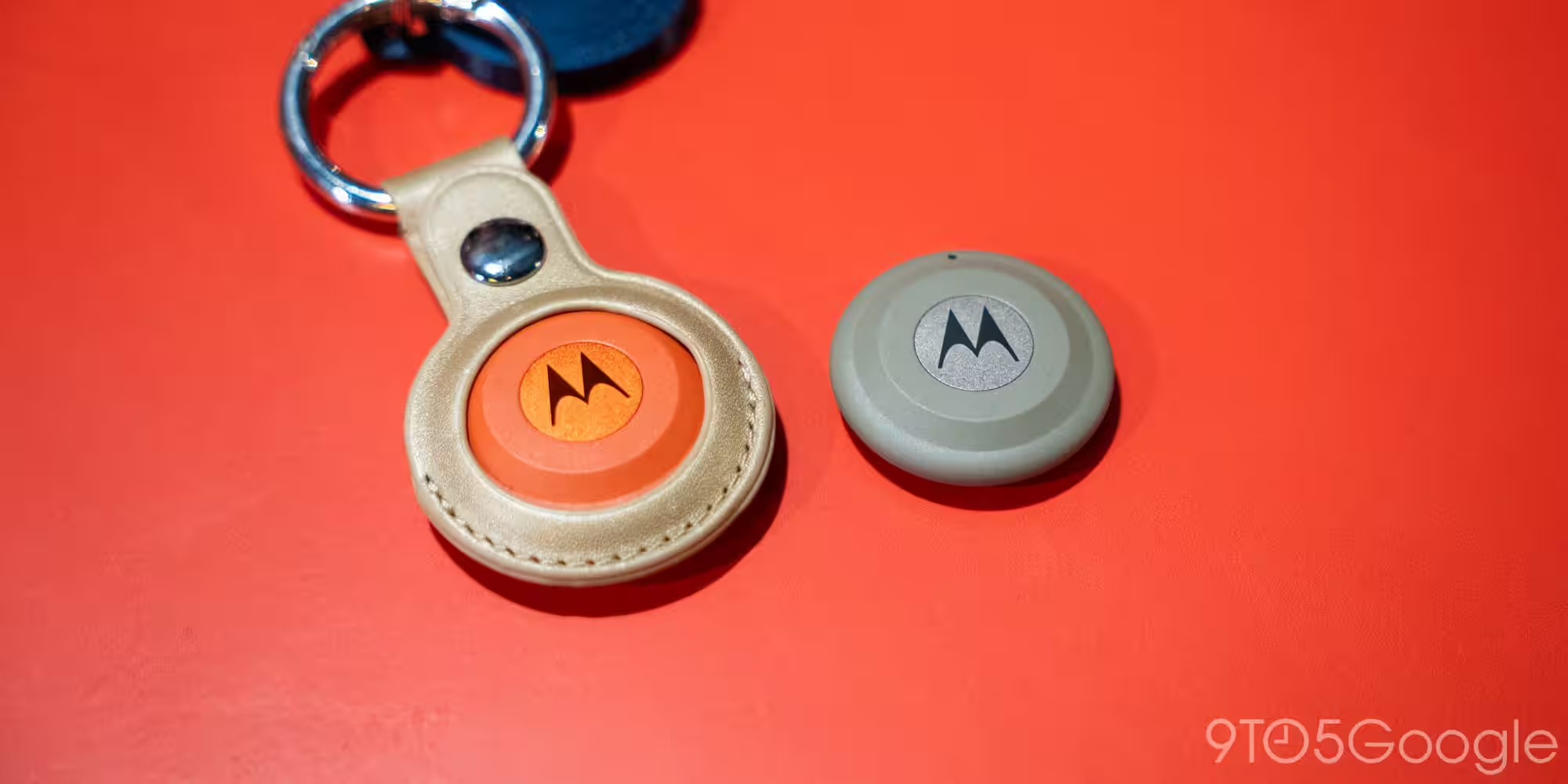
- Moto Tag: among the few Android trackers with UWB; the Moto Tag 2 also supports UWB.
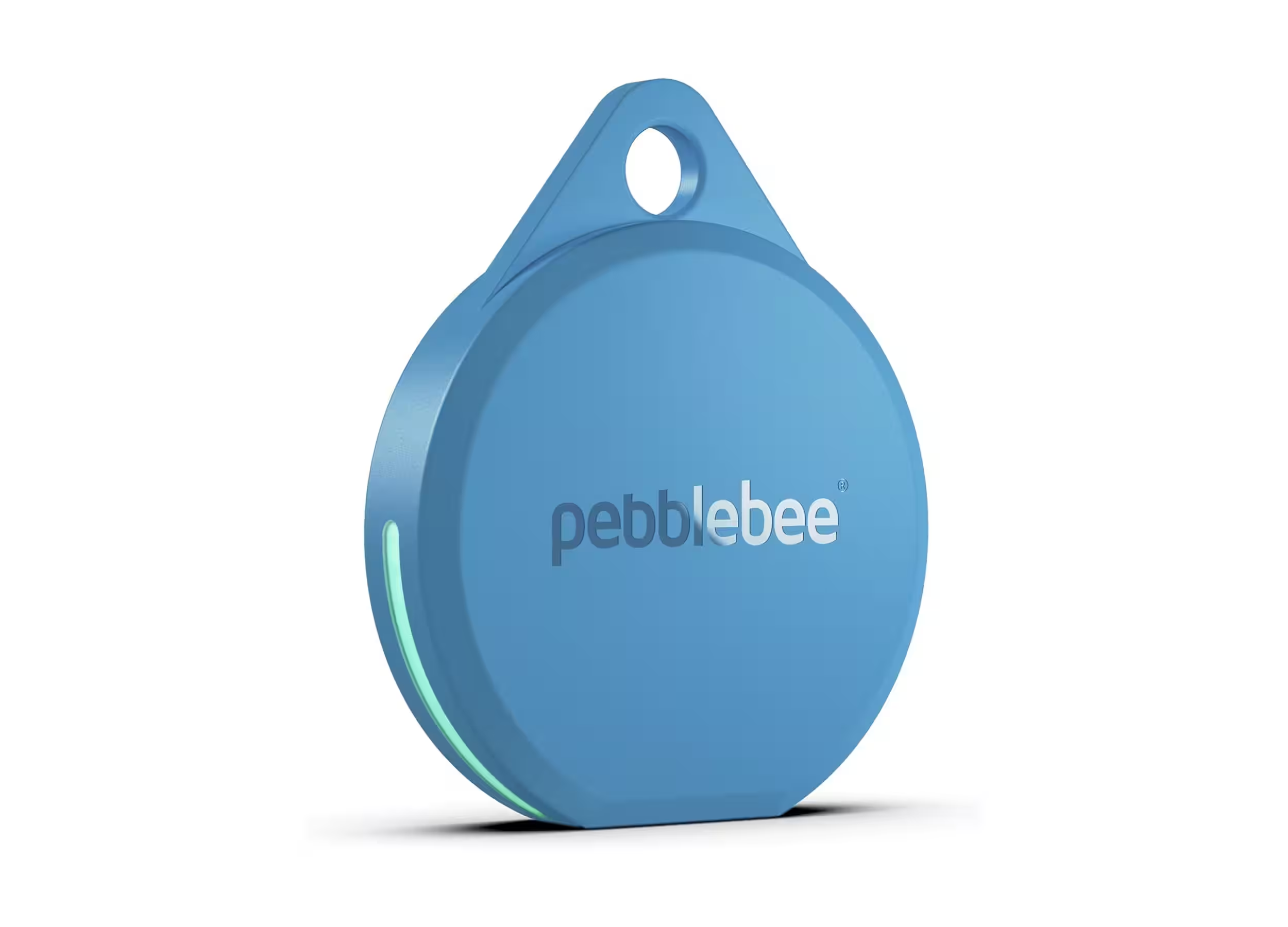
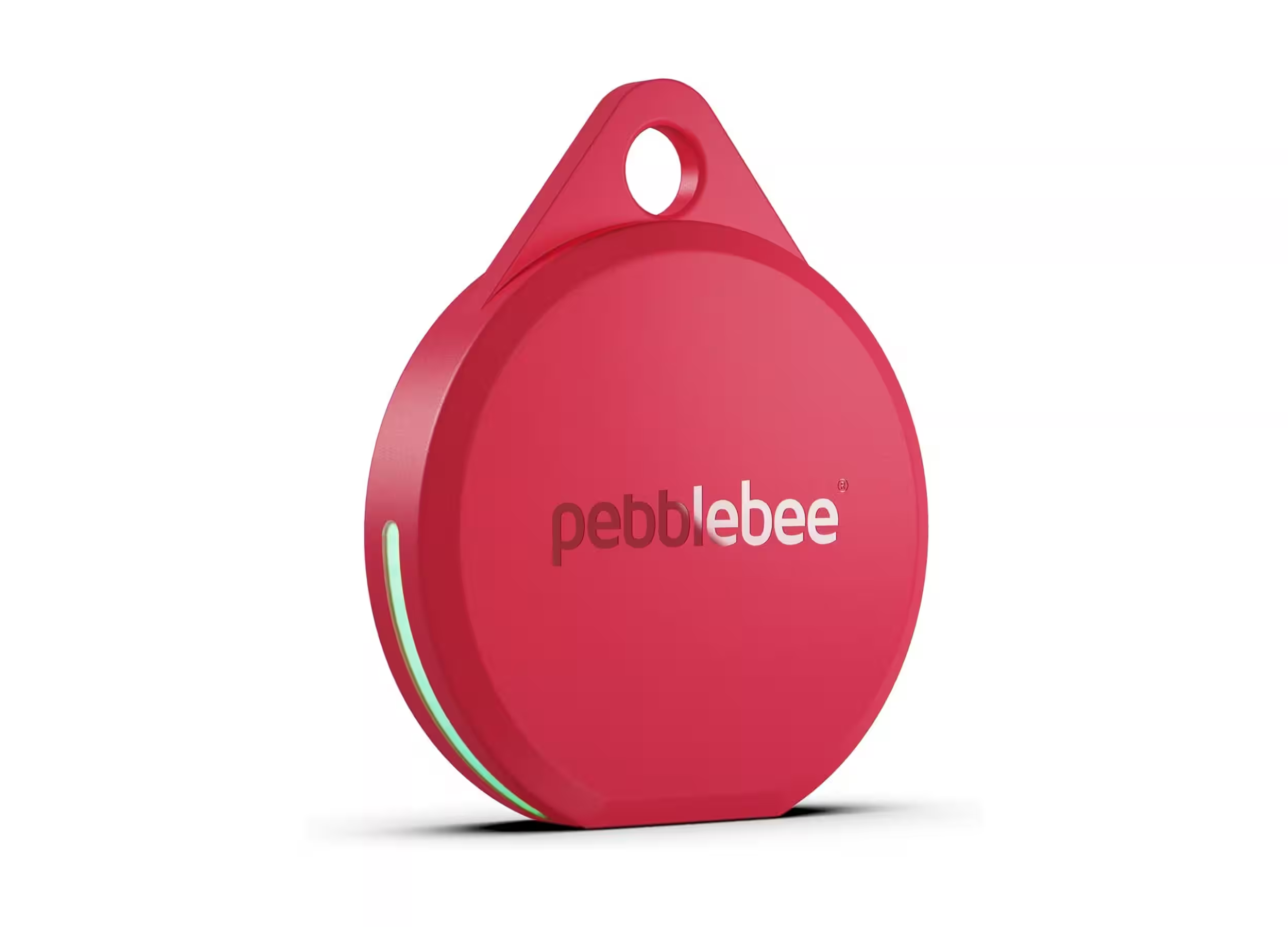
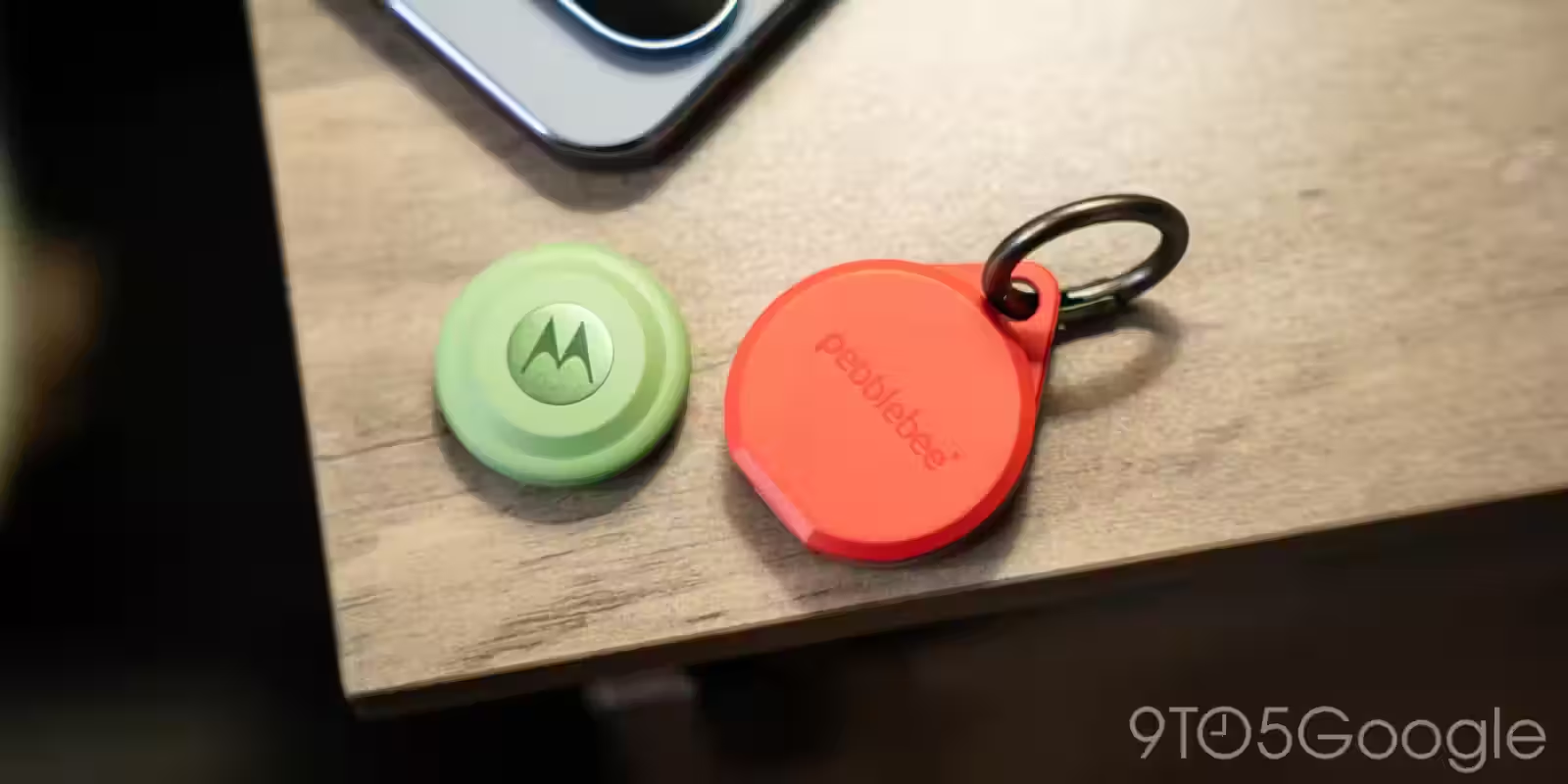
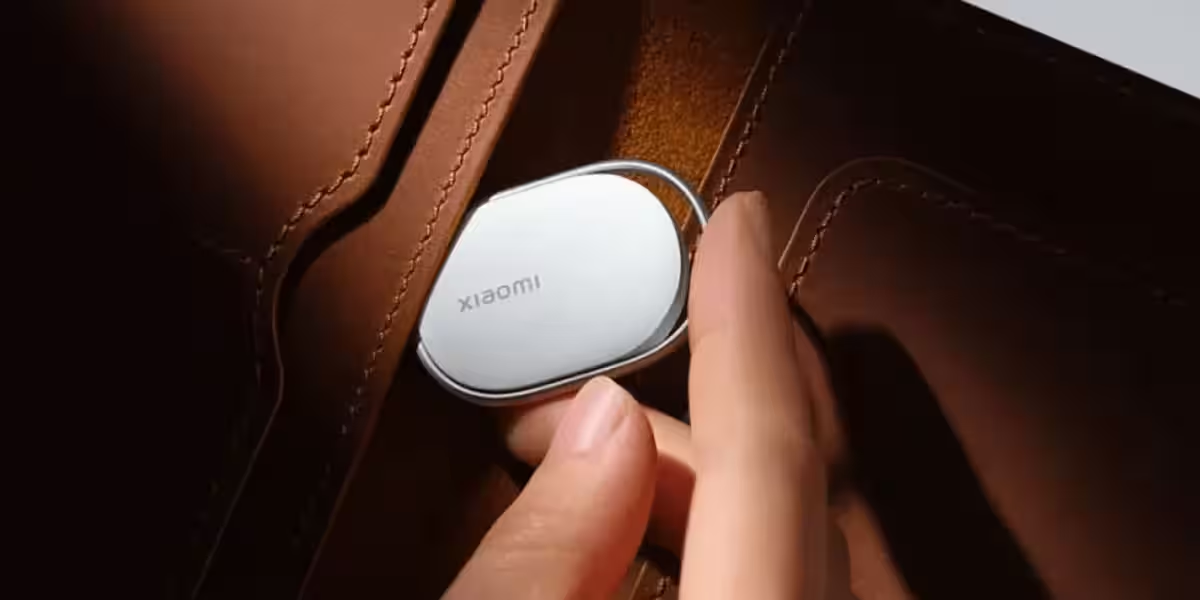
- Most Android Find Hub trackers (Pebblebee, Xiaomi, others): Bluetooth-only, focusing on loud speakers, bright LEDs, and competitive pricing (around $34.99 for many models).
Pebblebee, a notable player in the Android Find Hub space, openly admits that adding UWB “adds significant cost” and launching a UWB-only Android version without iOS support “would confuse customers.”
“Building a version that includes UWB on one platform (Android) but not the other (iOS) would be confusing for customers. UWB silicon still drives up the price.”
Daniel Daura, founder and CEO of Pebblebee
Who stands to gain and who loses
In this scenario, several groups benefit: manufacturers of budget trackers (saving on bill of materials), buyers prioritizing price or loud sound and bright lights, and Apple, which sells the AirTag as an exclusive. On the losing end are owners of small items like keys and wallets, where UWB makes a noticeable difference in tracking accuracy – and manufacturers hoping to offer “universal” top-tier trackers but are constrained by platform restrictions and economics.
Another critical factor is UWB adoption in smartphones. Even if a tracker maker incorporates UWB, the actual base of devices supporting it remains small and concentrated in premium models. For the mass market, that means a slow return on investment for UWB technology.
How this will play out – the forecast
Expect little to change dramatically in the next 1-2 years: trackers will remain mostly Bluetooth-centric, with manufacturers improving speaker sound, LED brightness, and software integration, while UWB-enabled models stay niche and rare. Widespread UWB expansion hinges on three things: broader hardware support in mainstream phones, a policy shift from Apple or regulatory/legal pressure, and lower UWB chip costs.
If any of these factors shift substantially – for example, UWB becomes common in mid-range phones or courts force Apple to open up access – the tracker market could quickly rethink design and features. For now, most buyers face a simple question: are you willing to pay an extra $5-10 for a feature only a fraction of your devices can use?