Apple keeps an eye on Galaxy S26 Ultra’s privacy display
 By Arthur Berg
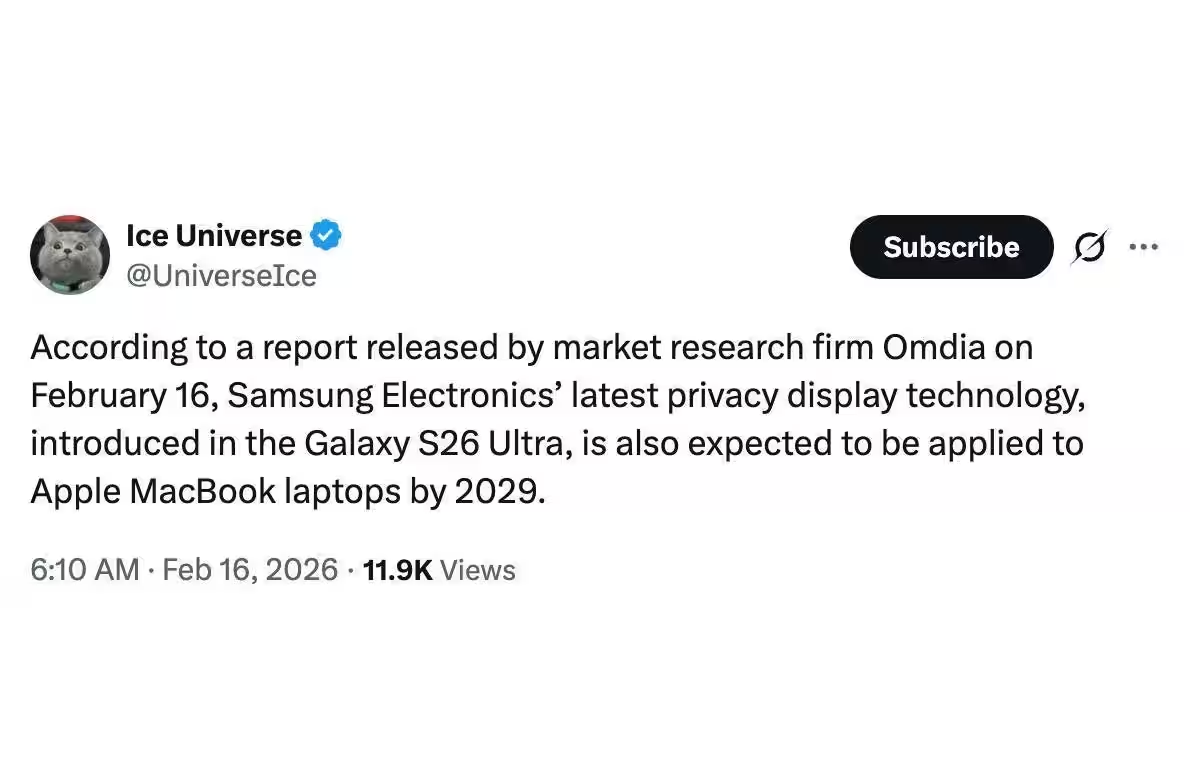
Samsung is gearing up to introduce a “privacy display” for the Galaxy S26 Ultra – a blend of hardware tweaks and AI that hides screen content from side glances. Insiders say Apple is watching this feature closely and may bring similar tech to its laptops, possibly rolling it out in the MacBook lineup by 2029.
If these rumors pan out, this won’t just be another checkbox on a specs list. We’re looking at a new battleground where displays aren’t just about brightness and color accuracy – they’ll actively protect user privacy. That’s a win for screen makers and Samsung, but a blow to companies that profit from third-party privacy films and simple software tricks to hide notifications.
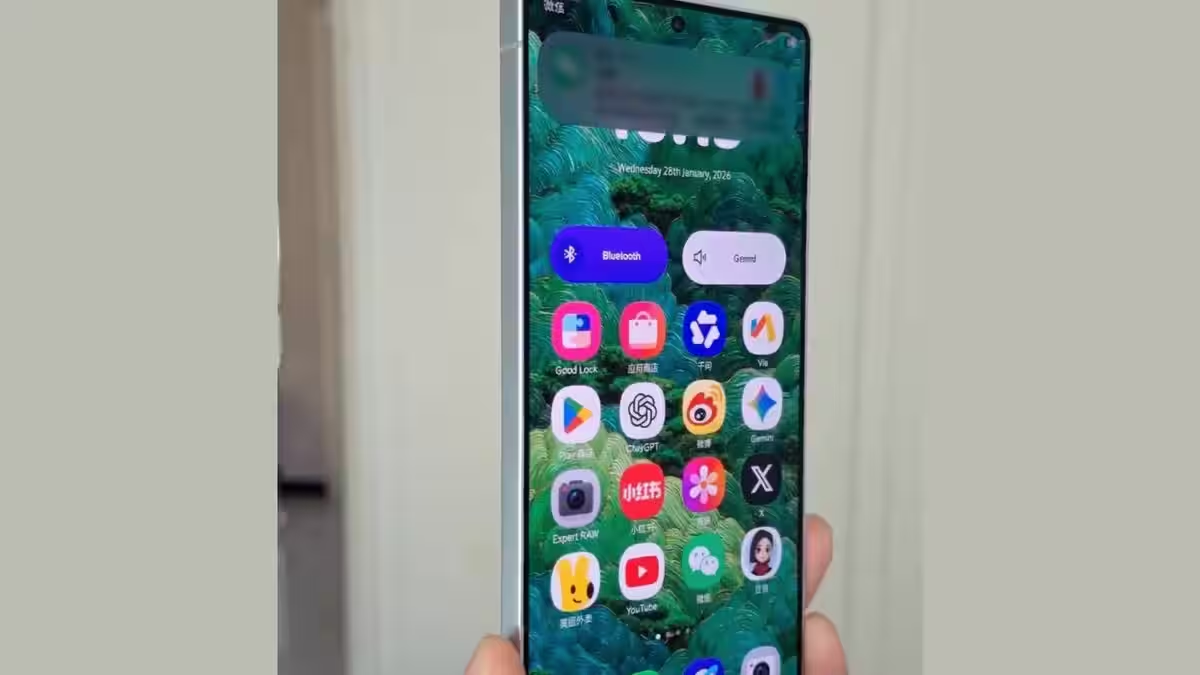
galaxy s26 ultra’s privacy display
From what’s been described so far, the S26 Ultra’s privacy display combines hardware innovations with AI algorithms: when it detects a “stranger’s gaze” or certain UI scenarios, it hides content from side views. This isn’t just a dimming filter – the goal is to keep the screen readable for the owner while blocking any shoulder surfers.
Here’s how it breaks down:
- Goal: conceal notifications, messages, and sensitive UI elements from viewers at an angle.
- Method (as described): changing the screen’s visual behavior combined with AI logic that recognizes context and faces.
- Expected result: notifications remain visible to the owner but are hidden from onlookers.
who’s done similar tech and why it matters
The concept of “screen privacy” isn’t new: corporate laptops have long had built-in privacy filters like HP Sure View and Lenovo PrivacyGuard, and physical privacy films for smartphones are widely available. But bringing hardware privacy to mainstream flagship phones is a whole different level of complexity and impact.
Apple already tackles privacy on the software side-hiding notification contents, requiring Face ID to unlock sensitive data, and similar features. Adding a directional privacy display would layer in a whole new defense, pushing competitors and display suppliers like Samsung Display, BOE, and others to race toward next-gen tech.
winners and losers
The winners here are clear: Samsung gains a major marketing edge and a tech lead in the premium segment. Display manufacturers, assuming the tech works well, can charge more for their panels. Corporate users and privacy-conscious consumers stand to benefit the most.
On the losing side are makers of cheap privacy films-embedded solutions cut into their market. Apple also risks losing its bragging rights over “the best privacy on iPhone” if Android brands get hardware privacy right first and users actually notice.
There are technical trade-offs, too: privacy filters often reduce brightness and color accuracy, while the AI layer requires extra processing power and might drain more battery. The question is how well Samsung can balance usability, image quality, and battery life.
what’s next and when
Insiders point to a potential rollout of this idea in MacBooks around 2029-signaling Apple’s serious interest, though they’re in no rush. Historically, Apple adopts borrowed ideas only after the market proves them worthwhile: things like always-on displays and other features came well after demand was clear.
One big open question remains: will mainstream users actually pay a premium for genuine screen privacy? If yes, manufacturers could push prices up and rethink display design entirely. If not, this might stay a niche feature limited to business models and high-end lines.