The end of the Dynamic Island era in the iPhone 18 Pro
 By Anna Brooks
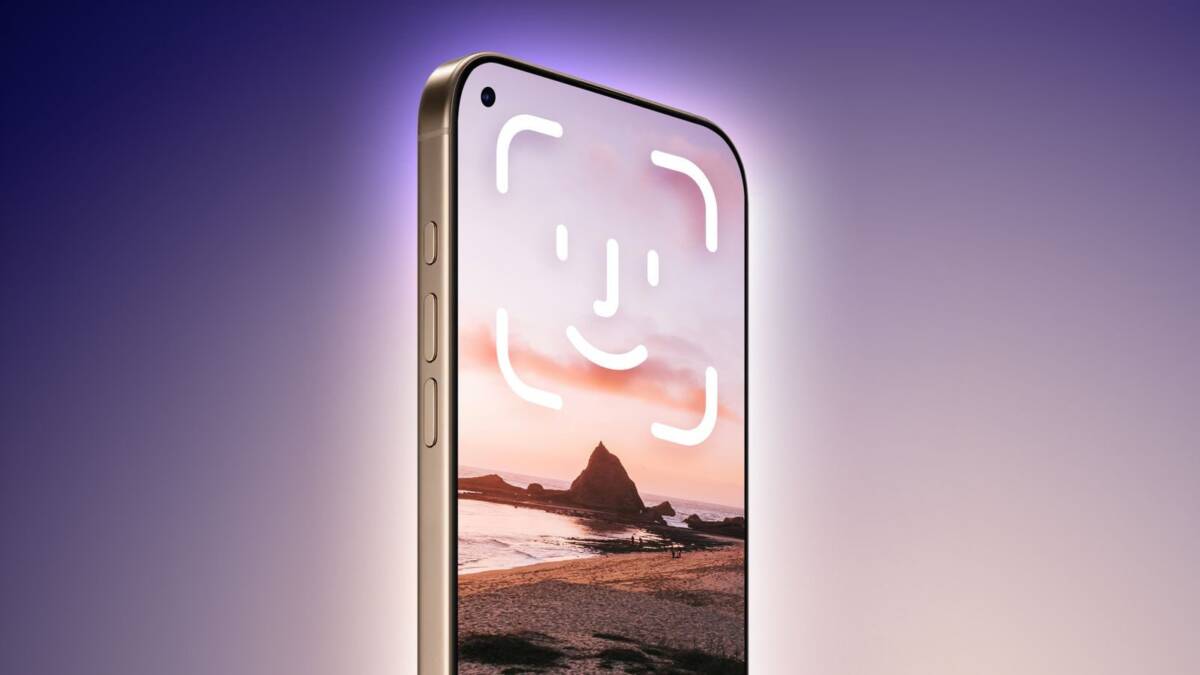
Apple plans to do away with Dynamic Island as early as 2026, with the iPhone 18 Pro and iPhone 18 Pro Max models getting an under-screen Face ID and a different front-facing camera layout, which will lead to the disappearance of the signature notch in the display.
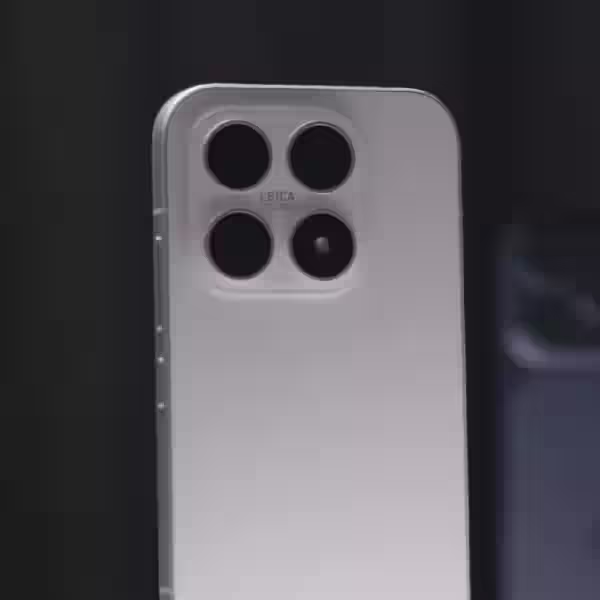
According to The Information reporters Wayne Ma and Qianer Liu, the iPhone 18 Pro and iPhone 18 Pro Max will feature a Face ID module completely hidden under the screen. The front-facing camera will be moved to the top left corner of the display. As a result, Apple will abandon the tablet-shaped Dynamic Island notch, which is used in the current generation of iPhones. Externally, the new smartphones will still resemble the iPhone 17 Pro.
Sub-screen Face ID and design changes
Dynamic Island appeared in the iPhone 14 Pro lineup and has become part of the iOS interface, combining a hardware cutout with programmatic animations and notifications. The move to an under-screen Face ID means Apple will be able to free up the center portion of the top edge of the screen, leaving just a separate hole for the front-facing camera.
The decision brings the iPhone’s design closer to a completely frameless look, and ends several years of front-facing evolution that began with the abandonment of the Home button and the move to a “quiff” and then to Dynamic Island.
Mechanical iris in iPhone 18 Pro camera
In addition to the display changes, Apple plans to introduce a mechanical aperture in at least one of the iPhone 18 Pro’s main cameras. This was previously reported by analyst Ming-Chi Kuo. We’re talking about the main 48-megapixel module, which he says will get a variable aperture.
Now, all models from the iPhone 14 Pro to the iPhone 17 Pro use a fixed aperture ƒ/1.78 lens, which is always fully open. In the iPhone 18 Pro, users will be able to manually adjust the amount of light entering the sensor, giving more control over depth of field. However, due to the small size of the sensors in smartphones, the practical effect of such a feature may be limited.
At the same time, the smartphone’s ability to adjust the amount of light entering the sensor may be limited.
A20 Pro chip and TSMC’s 2nm process
The iPhone 18 Pro series will get A20 Pro chips manufactured on Taiwanese company TSMC’s 2nm process. Apple also plans to adopt Wafer-Level Multi-Chip Module packaging technology. In this case, the RAM will be integrated directly onto the chip wafer along with the CPU, GPU, and neural engine, rather than placed separately through a silicon interposer.
This approach should deliver performance gains in everyday tasks and Apple Intelligence, and improve power efficiency and thermal performance. Additionally, the A20 Pro may be more compact than previous solutions, freeing up internal chassis space for other components.
The A20 Pro may also be more compact than previous solutions, freeing up internal chassis space for other components.
The iPhone 18 Pro and iPhone 18 Pro Max are expected to be unveiled in September 2026.