When will PlayStation 6 launch? Delays expected due to rising memory costs
 By Arthur Berg
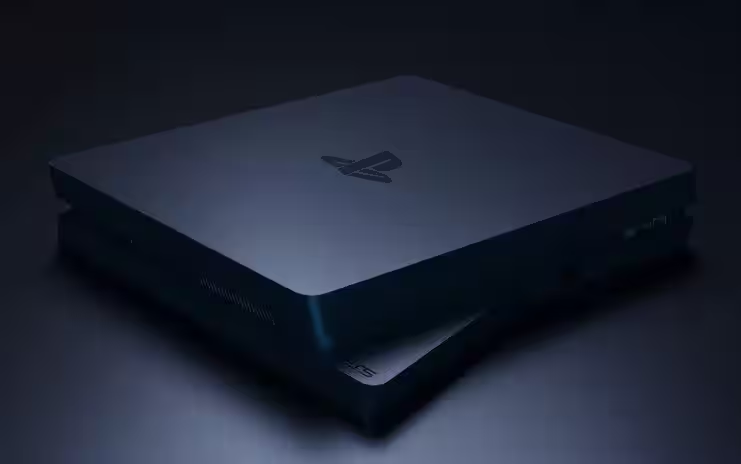
Sony might push back the release of PlayStation 6, with supply chain talks increasingly pointing to a delay from the initially targeted 2027 to 2028 or even 2029. The main culprit: rising prices and shortages of high-speed RAM, which is rumored to top out around 30GB for the PS6, significantly impacting the console’s production cost.
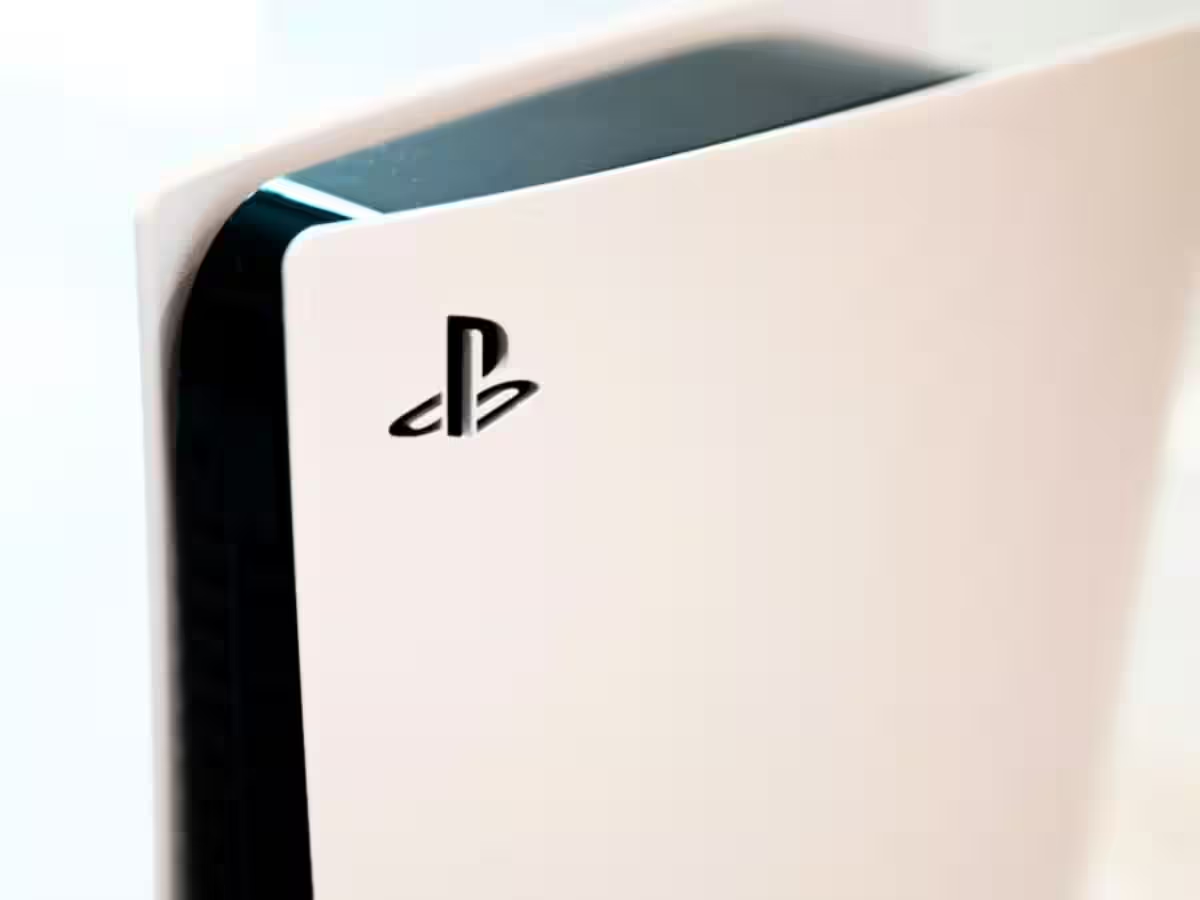
That said, Sony isn’t completely out of options. PS5 sales have exceeded 75 million units worldwide, and the upcoming PS5 Pro launch by the end of 2024 refreshes the lineup, buying Sony some breathing room. The bigger question is whether Sony is ready to launch a new generation with thin margins or raise the retail price-which risks alienating a large chunk of gamers.
When will PlayStation 6 launch?
Industry chatter previously pegged 2027 as the likely year for PS6. Now, 2028 or 2029 seem increasingly probable. Console launches don’t follow a strict schedule-the PS3 came out six years after PS2, and PS5 arrived seven years after PS4. For Sony, a delay wouldn’t be disastrous as long as the PS5 ecosystem stays active and continues generating revenue from games and subscriptions.
- Potential scenarios: a 2027 release with compromised memory specs; a 2028 launch with the originally planned configuration; or a 2029 debut after memory prices stabilize.
- Price risk: if Sony passes the increased production costs onto consumers, the high-end model price could creep close to $1,000-far more than most gamers are willing to pay for an entry-level new console.
Why memory prices are rising
Memory prices are climbing due to two major factors: data centers’ aggressive DRAM purchases and soaring demand for high-bandwidth memory (HBM) used in AI accelerators. Leading memory manufacturers like Samsung, SK Hynix, and Micron prioritize server contracts with better margins, shrinking supply available for consumer products and driving up price volatility.
For a console that aims to pack approximately 30GB of “fast” memory, even modest price hikes per gigabyte significantly raise overall costs. Manufacturing planning feels like a high-stakes gamble-order now and risk overpaying, hold off and risk falling behind in the market.
What this means for Sony and gamers
Sony faces two clear choices: keep prices competitive and accept lower margins, or launch the PS6 at a higher price. The first option eats into early-generation profits; the second could limit sales volume and push some gamers toward PCs or cloud gaming services.
- Key vulnerabilities: hardware costs, marketing strategy, and the pace at which gamers adopt the new generation.
- Winners and losers: short term benefits go to server memory suppliers and cloud platform players; long term advantage favors manufacturers who optimize architecture without sharply increasing costs.
- Potential surprises from Sony: launching with a different memory setup than planned, or placing heavier emphasis on PlayStation’s subscription and service ecosystem to offset hardware expenses.
This situation is a classic hardware industry squeeze-booming AI and data center demand pumps up component prices, putting consumer devices under pressure. Sony’s path will be pragmatic: wait for memory prices to improve or adjust PS6’s design and market positioning accordingly.
If server memory demand stays high through 2026, a delay to 2028-2029 becomes more likely. But if prices drop, a 2027 launch could be back on the table. Some players will benefit from the current uncertainty, while others will pay the price at launch-it’s just a matter of who ends up in which camp.