Chinese startup claims to build TPUs faster than the Nvidia A100
 By ForGeeks
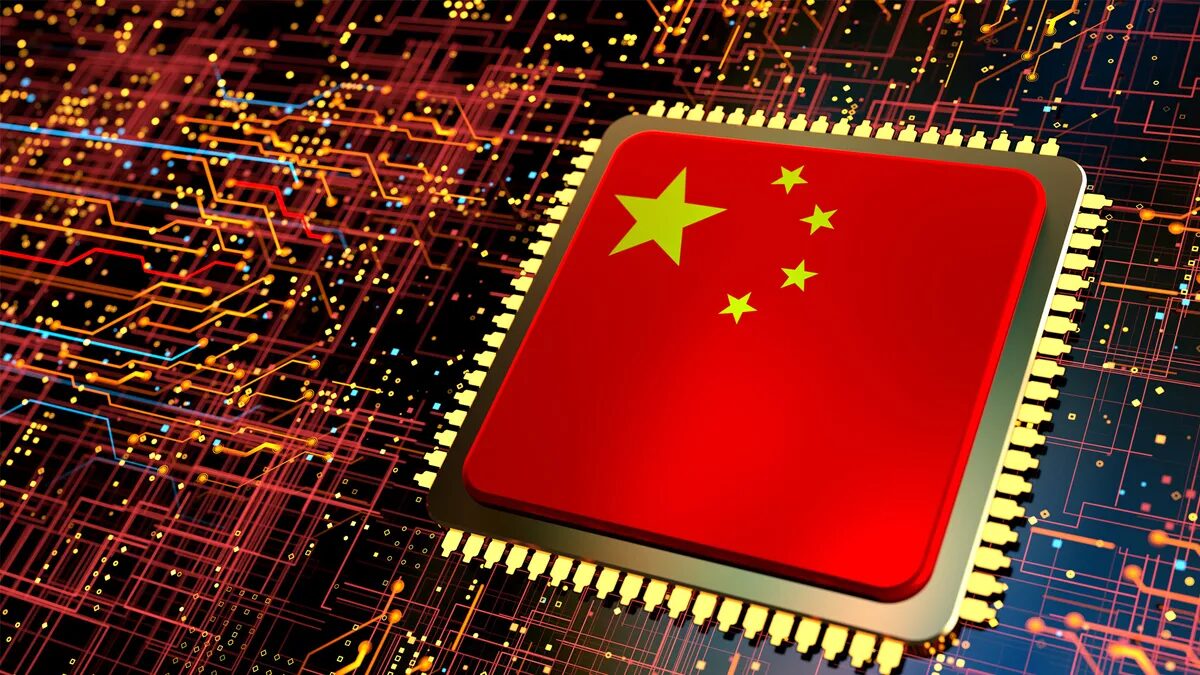
Chinese startup Zhonghao Xinying has unveiled its own Ghana TPU chip and claims it is 1.5 times faster than the Nvidia A100 and 42% more power efficient.
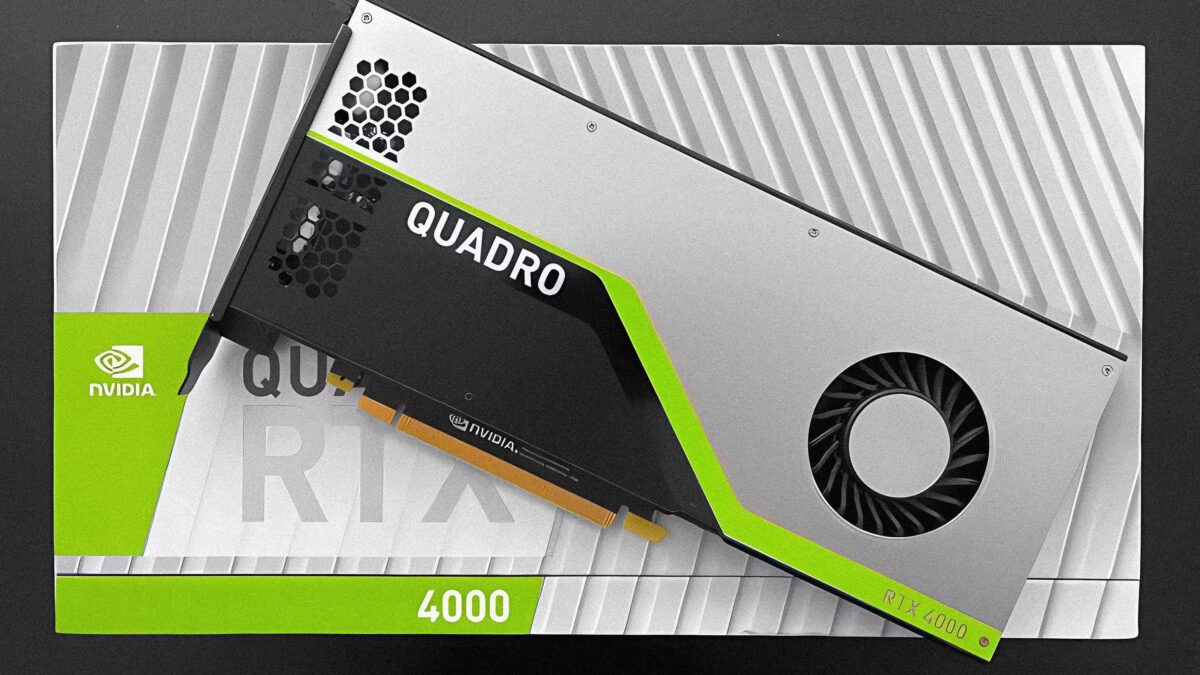
Zhonghao Xinying has announced the release of the General Purpose Tensor Processing Unit (GPTPU), a specialized ASIC that the company is positioning as a local alternative to international AI training and inference solutions, including Nvidia’s graphics gas pedals and Google’s TPUs. The South China Morning Post reports that. According to the company, Ghana’s performance is 50 percent better than the results of the Nvidia A100, released in 2020 on the Ampere architecture.
Zhonghao Xinying attributes the creation of the TPU to increased competition in the global AI computing market and a desire to ensure independence from foreign suppliers. The company believes that local GPUs and ASICs can form the path to future technological autonomy.
Development and Team
Ghana was developed by Yanguang Yifan, a graduate of Stanford and the University of Michigan with a degree in electrical engineering. He previously worked in chip architecture at Google and Oracle, including designing several generations of Google TPUs. Co-founder Zheng Hanxun has worked at Oracle and at Samsung Electronics’ research division in Texas.
He has worked at Oracle and at Samsung Electronics’ research division in Texas.
Zhonghao Xinying claims that the new TPU utilizes entirely proprietary intellectual property. The company emphasizes that there is no reliance on Western licenses, components or software stacks in the architecture. “Our chips do not rely on foreign technology licenses, which ensures security and long-term sustainability at the architecture level,” SCMP quoted Xinying’s statement as saying.
The company said that the new TPU is not dependent on foreign technology licenses, which ensures security and long-term sustainability at the architecture level.
Performance and energy efficiency
The company claims Ghana delivers 1.5x performance over the Nvidia A100 and reduces power consumption by up to 75% by utilizing a process technology that it says is “an order of magnitude below” that of leading foreign GPUs. If confirmed, these figures may be achievable for ASICs, as specialized solutions eliminate some of the universal computing blocks required for GPUs.
Even with this acceleration, Ghana remains behind the 2022 Nvidia Hopper and especially beyond the capabilities of current Blackwell Ultra-level solutions. However, for the Chinese market, where supply of older GPUs continues to be limited, such parameters may be sufficient.
Market Context
Ghana’s release coincided with a period of realignment in the global AI chip market. Amid Nvidia’s dominance, Google announced plans to lease and sell its own TPU Meta*. China, for its part, is incentivizing local chip production through subsidies and regulatory requirements.
At the same time, China has been encouraging local chip production through subsidies and regulatory requirements.
Graphics gas pedals from Nvidia and, to a lesser extent, AMD remain the most versatile solutions for AI training for now, but specialized ASICs – from Google and potentially from companies like Zhonghao Xinying – could be an option for customers looking to reduce their reliance on Nvidia or gain access to hardware in the face of memory shortages, price increases and trade restrictions.
* Owned by Meta, it is recognized as an extremist organization in the Russian Federation and its activities are banned.