The U.S. Federal Communications Commission has banned the importation of foreign drones
 By Arthur Berg
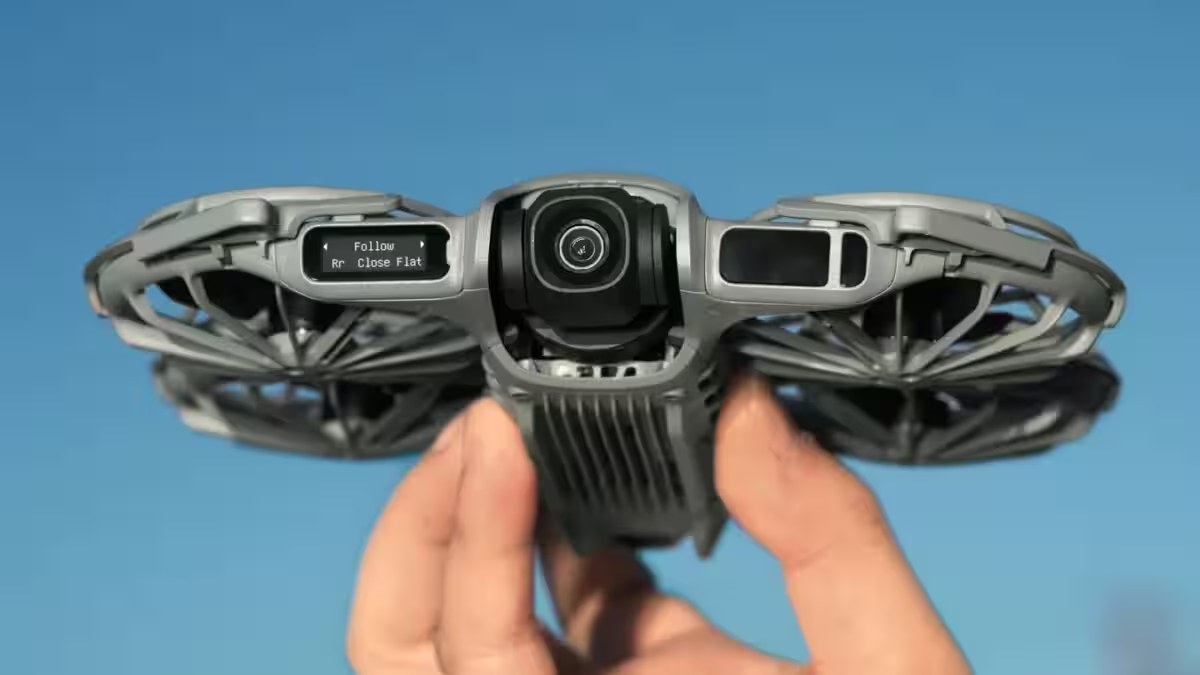
New drones from overseas can now only enter the country with approval from the Department of Defense or the Department of Homeland Security, with devices like DJI’s drones being called a threat to national security.
The U.S. Federal Communications Commission on Monday imposed a ban on importing new foreign-made drones unless they were recommended by the Department of Defense or the Department of Homeland Security. The drones and their components were added to the commission’s so-called Covered List, a list of communications equipment that poses an unacceptable risk to the national security of the United States and the safety of its citizens. The restrictions include products from companies such as Chinese manufacturer DJI.
Manufacturers’ Reaction
Adam Welsh, DJI’s head of global policy, said the company was disappointed with the regulator’s decision. A spokesperson for the manufacturer emphasized that DJI was not singled out personally, but the executive did not disclose what information formed the basis of the decision. Welch added that the corporation is still focused on the US market and noted: the already purchased devices will continue to operate normally. In addition to drones, the commission’s list includes Kaspersky antivirus (added in 2024) and telecommunications equipment from Huawei and ZTE (added in 2021).
Rationale for the ban
The commission received a Dec. 21 decision from an interagency national security panel that says unmanned aircraft systems and critical components to them manufactured in foreign countries could be used for persistent surveillance, data theft and disruptive operations over U.S. territory. The document notes that cybersecurity and critical infrastructure protection guidelines have repeatedly pointed to the risks of collecting sensitive information, unauthorized remote access or disabling devices through software updates.
What owners should do
Users who have already purchased foreign-made drones will still be able to use their devices. That’s according to a Federal Communications Commission briefing paper.