EU approves rules to hold social networks accountable for financial frauds
 By ForGeeks
The new rules will oblige platforms to compensate banks if a user is victimized by fraudsters.
The European Union has passed a new law that holds social networks – including Meta* and TikTok – directly responsible for financial fraud schemes. The decision was made early Thursday morning after hours of overnight negotiations. The document was another step in the increased scrutiny of big tech companies, which have been trying for years to persuade the US to resist heavy regulation from the EU.
The document was the latest in a series of moves to increase scrutiny of big tech companies that have tried for years to persuade the US to resist heavy regulation from the EU.
The adopted rules are in addition to the Digital Services Act (DSA) and Digital Markets Act (DMA), which are already in place. These laws aim to curb the spread of illegal content and prevent companies such as Google, Amazon and Meta* from abusing market power. Violations under the DSA and DMA come with hefty fines, which has sparked opposition from the tech sector and former US president Donald Trump, who accused the EU of “discriminating” against US corporations and trying to restrict innovation.
The EU’s efforts to curtail innovation have been met with a number of criticisms.
How exactly liability and payouts will be allocated
The final stage of the debate centered on the central question of who should be liable for damages: the social networks or the banks. A number of MEPs insisted that both parties bear an equal share of responsibility, as fraudulent ads are posted on platforms and the transactions are processed by banks. However, EU governments have opposed this approach, saying that banks should only be held responsible in cases of their own mistakes or insufficient security mechanisms.
A compromise was eventually adopted. According to the EU release, banks must indemnify customers if fraudsters impersonated the bank or if the transaction was carried out without the customer’s consent. Everything else falls on the platforms.
The new rules state that if a user is a victim of fraud via a social network and the company fails to remove a pre-reported fraudulent post, the social network will be obliged to compensate the bank.
Why the EU has tightened regulation
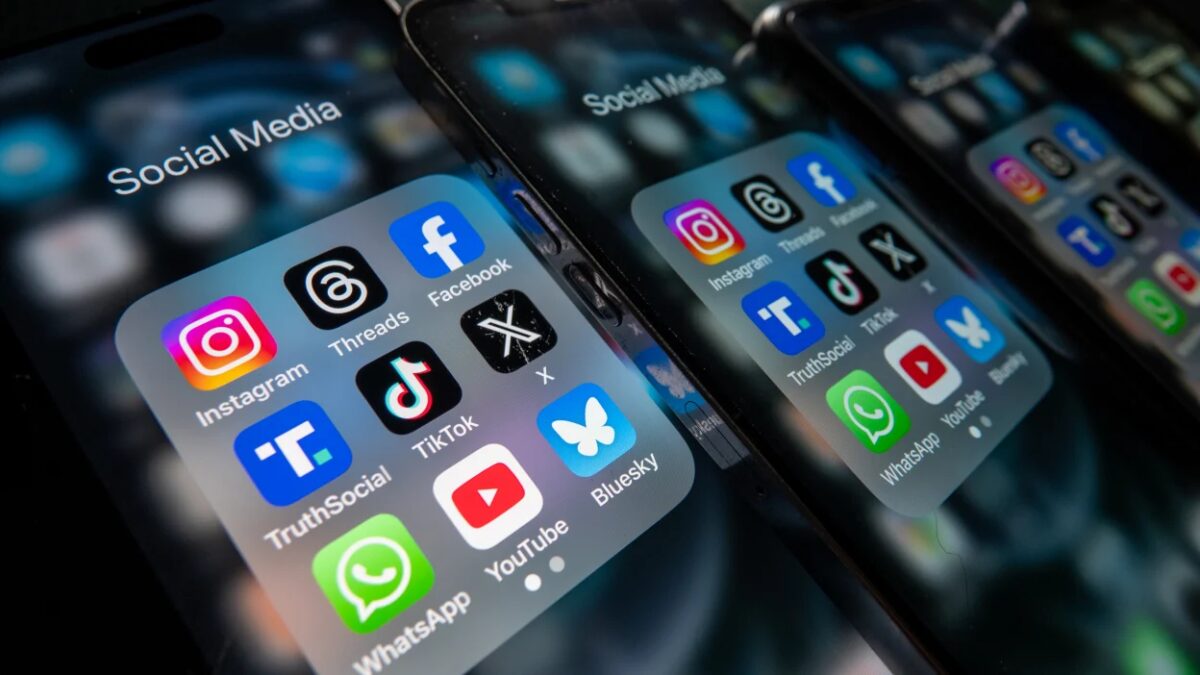
Social media has become a major source of investment scams, identity swapping schemes and dubious advertising. In recent years, the EU has seen a rapid rise in these types of crimes, and regulators believe the platforms are not doing enough to filter dangerous content.
Social networks have become a major source of investment fraud, identity swapping schemes and dubious advertising.
The introduction of the new responsibility could provide important leverage for Big Tech to monitor ads and identify suspicious publications. For the industry, it means another layer of regulation on top of the DSA and DMA, and for users, it means potentially increased protection from online scammers.
The new liability could be an important lever to pressure Big Tech to control ads and identify suspicious publications.
* Owned by Meta, it is recognized as an extremist organization in the Russian Federation and its activities are banned.